Category

humanities

The Designer as Moral Compass: Minimalism, Animism, and Quaker Plaining

“Rodchenko names a new kind of emotionally affective object: the comradely object of socialist modernity. Unlike the commodities he encounters on his visit to capitalist Paris, which elicit a possessive relation that makes the objects into “slaves,” things made in the socialist East will actively promote egalitarian socialist culture. They will replace the pleasure of…

Read More

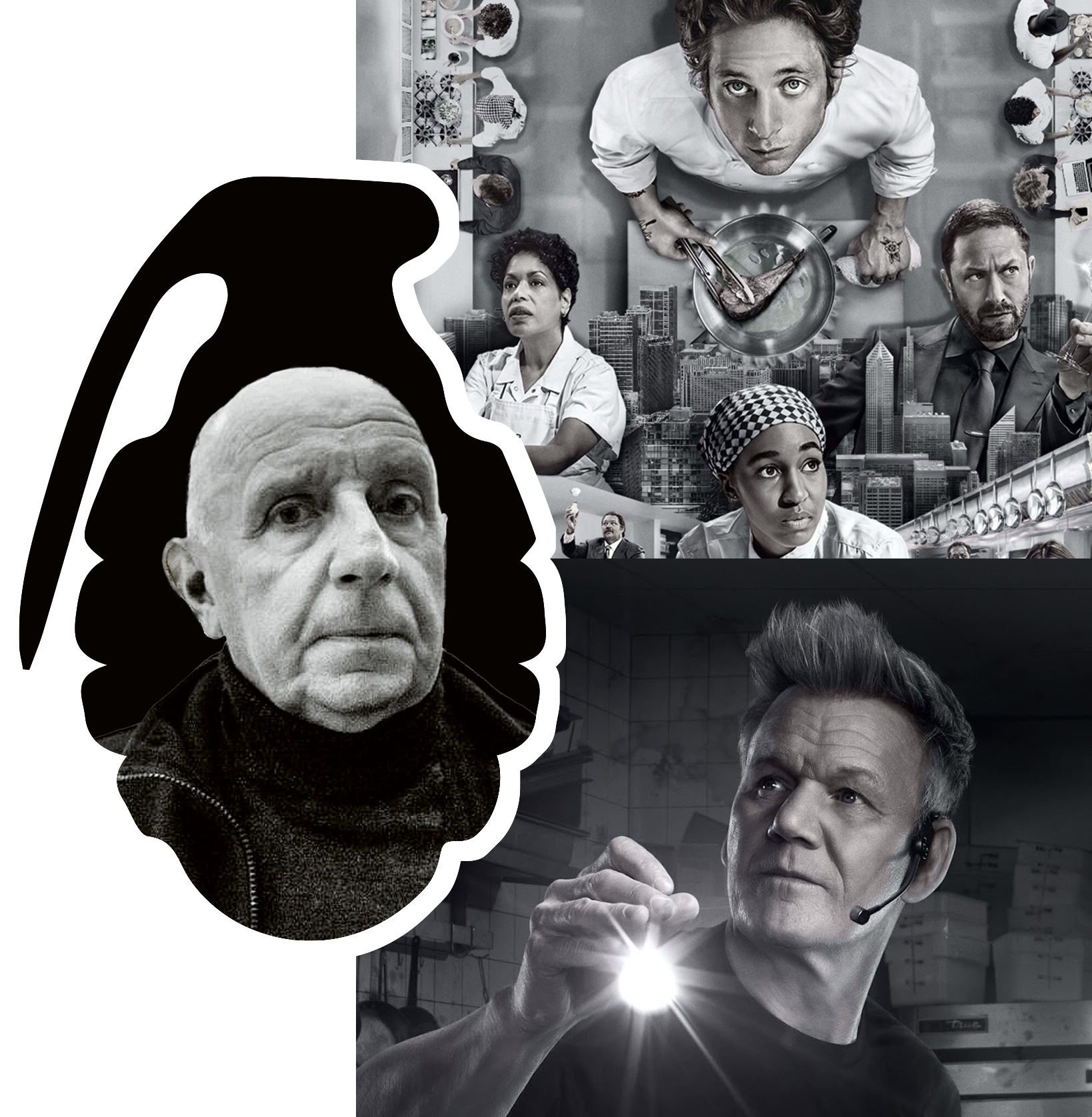
The Kitchen Bunker: Paul Virilio and the War Logic of Fine Dining

“All of us are already civilian soldiers, without knowing it… The great stroke of luck for the military class’s terrorism is that no one recognizes it. People don’t recognize the militarized part of their identity.” –Paul Virilio, Pure War. New York, NY, U.S.A.: Semiotext(e), 1983. p. 18 We normally don’t think about Paul Virilio while…

Read More

Losing Oneself: Brief Reflections on Identity, Roles, and Alienation

“Although the social structures in the contemporary world are less rigid than in ancient cultures, there are still many pre-established functions or roles that people readily identify with and which thus become part of the ego. This causes human interactions to become inauthentic, dehumanized, alienating. Those pre-established roles may give you a somewhat comforting sense…

Read More

Not a Simple Sum of Interchangeable Parts: Substitutability and Rational Order vs. Aesthetic Order

“Our word “reason” goes back to the Greek verb lego, the verbal noun of which is the famous word logos, which was translated as the Latin ratio. Lego has two principal meanings: “to say” (hence the Word of John’s logos) and “to put together” (related to lechos as the marital couch). (As Whitehead states: “Logic…

Read More

Nobody is spared from the logic of a mode of production built on exploitation: Tad Delay and the Future of Denial

“Nobody is spared from the logic of a mode of production built on exploitation. As Lacan put it, capitalism is the discourse or algorithm in which, instead of communicating to another person as a person, we are forced to negotiate through cloudy signifiers. We are workers relating to other workers in an environment mediated by…

Read More

Mindless Rage Gives Way to Focused Wonder: Girard, Mimesis, and The Origins of Religion

“As we have seen, Girard regards religion and culture not as the inventions of rational human beings but as essential processes in the evolution of humanity. For him, the scapegoating process functions as a catalyst in the development of symbolic thought. This increased mental capacity leads to ritual and myth, which in their turn develop…

Read More

Learning One’s Roles Well Is Like Learning One’s Native Language Well: Confucian Role Ethics

“Role interactions are mutually reinforcing when performed appropriately. The ideal Confucian society is basically family and communally oriented, with customs, traditions and rituals serving as the binding force of and between our many relationships and the responsibilities attendant on them. To understand this point fully we must construe the term li, translated as “ritual propriety,”…

Read More