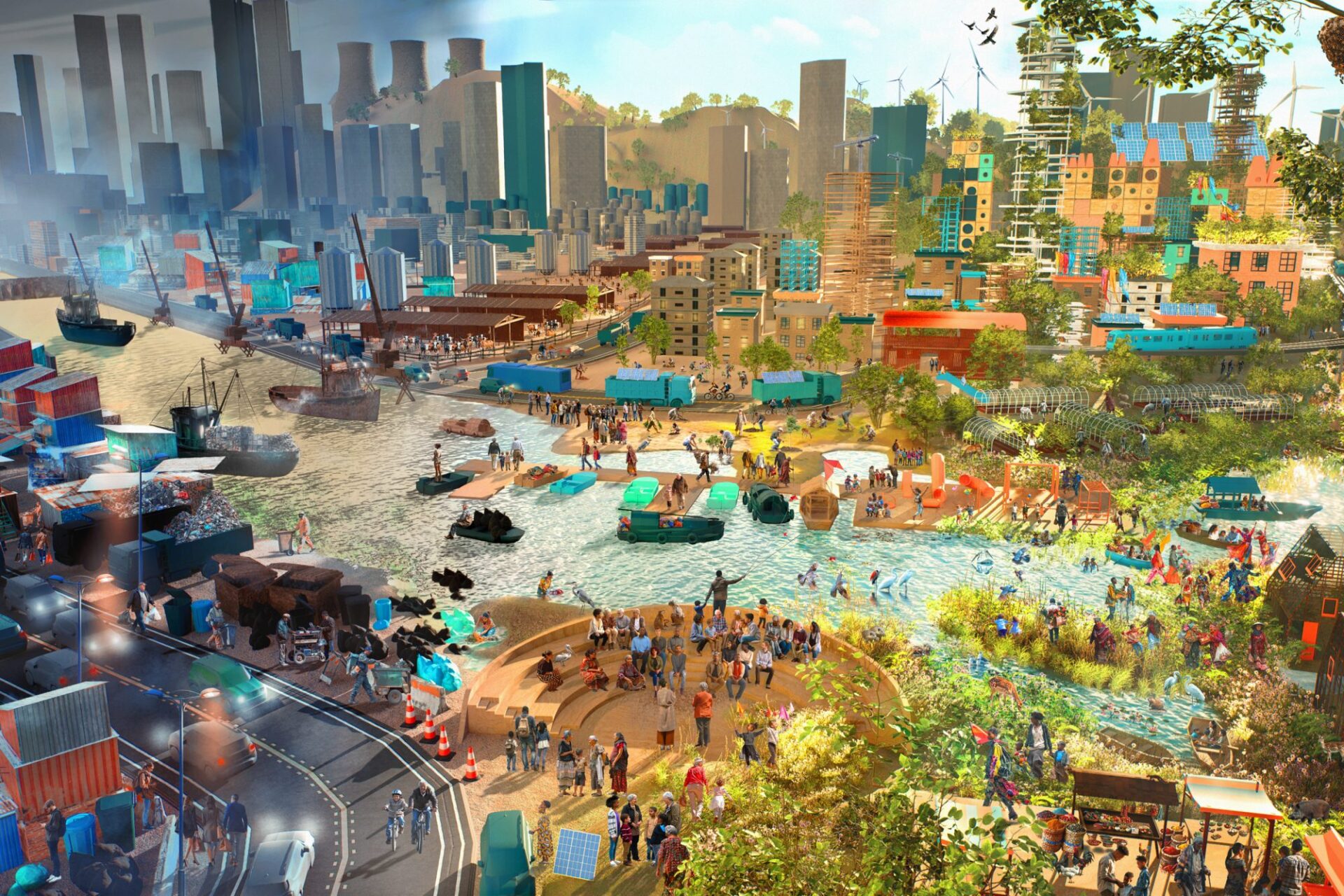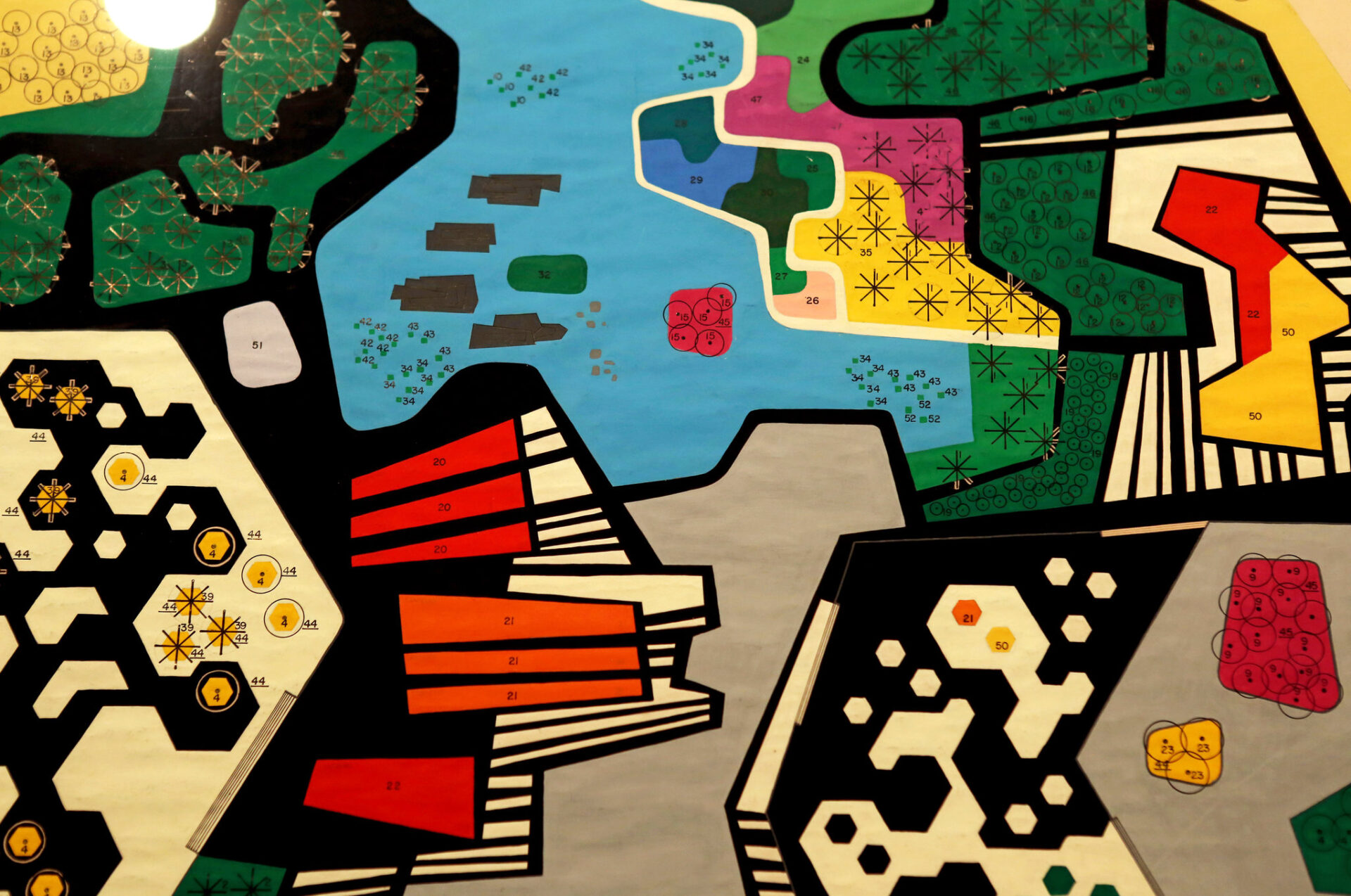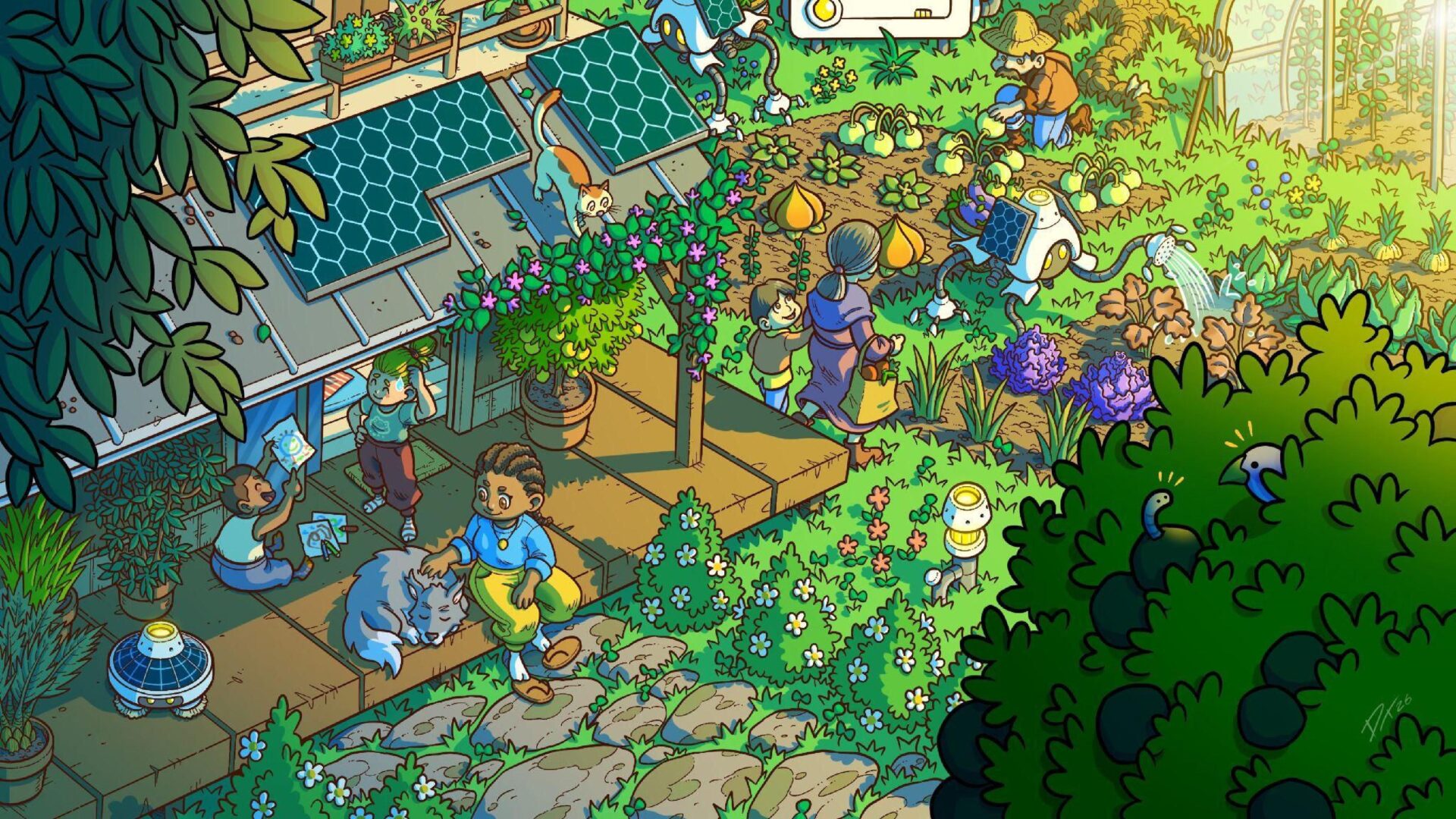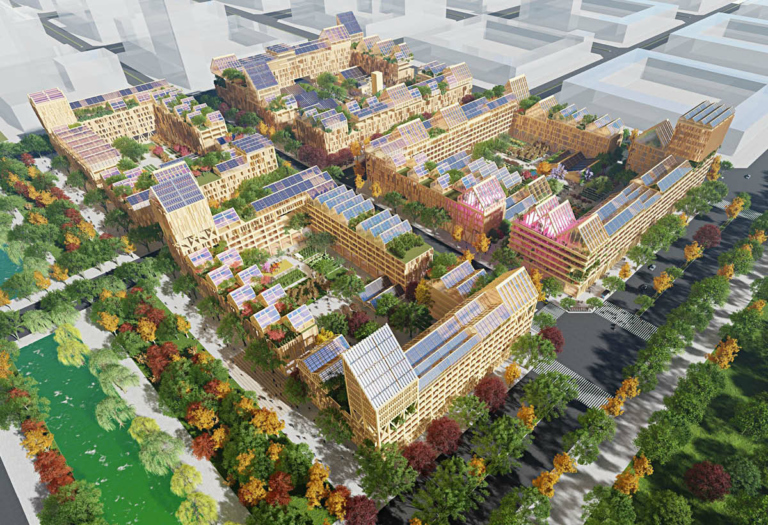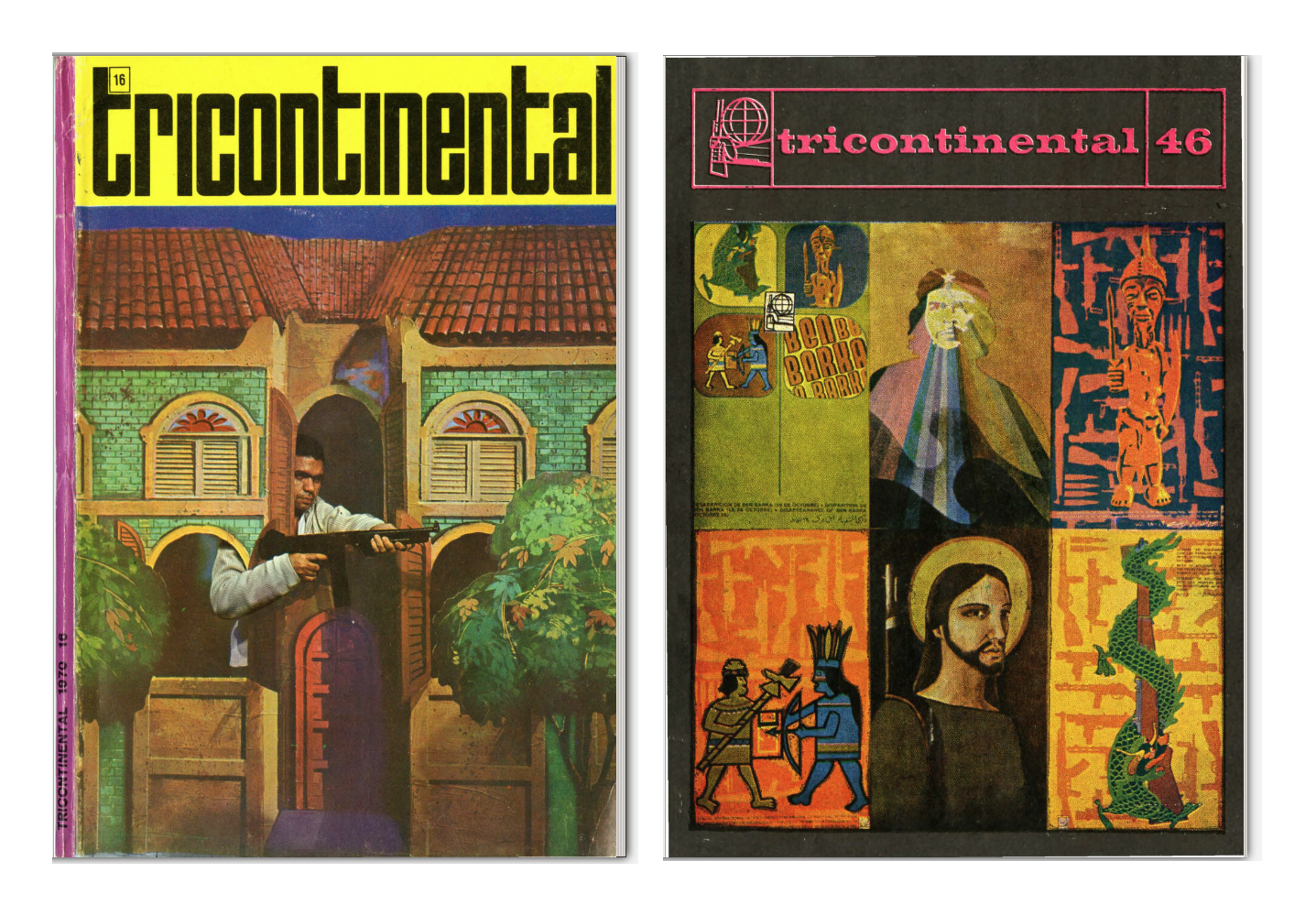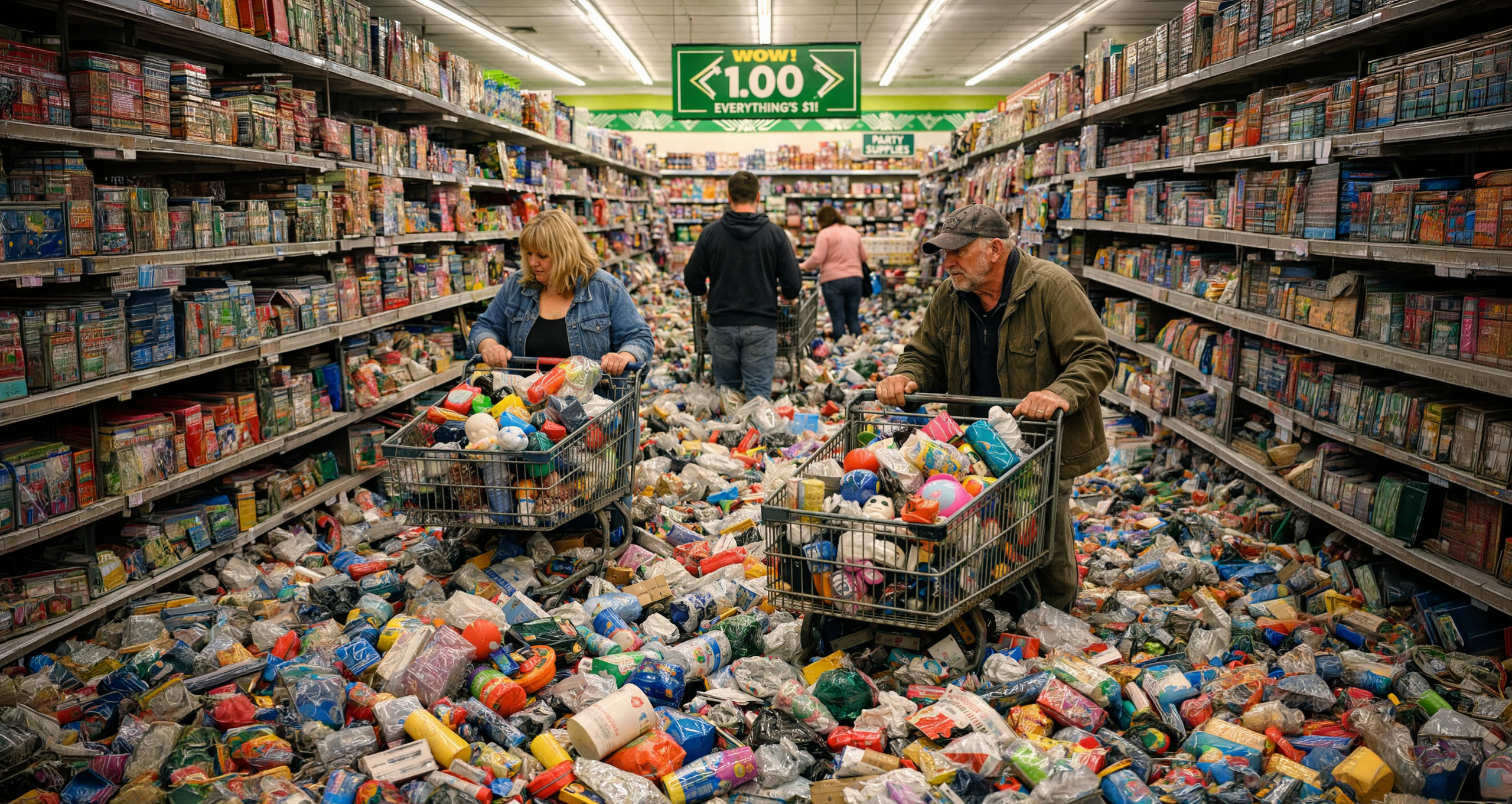
Below is the final section of Part 3 from my recent grad school design paper in which I attempt to imagine a not-so-distant future world for the post-capitalist designer. We began by de-commodifying the basic necessities of life in Part 3a before proceeding to identify some post-capitalist design needs in Part 3b. Now, in Part…
Category
Ecology
Designing for Beauty, Sufficiency, and Collective Care Part 3a: Imagining the World of The Post-Capitalist Designer – What has changed?
This is Part 3a of my recent grad school design paper in which I begin to imagine a not-so-distant future world for the post-capitalist designer. We begin by de-commodifying the basic necessities of life before proceeding to identify some post-capitalist design needs (Part 3b) which will then allow us to consider the roles of the…
Designing for Beauty, Sufficiency, and Collective Care – Part 2b: What is Solarpunk?
This is the second section in Part 2 of my recent grad school design paper in which I explore two contemporary, post-capitalist movements that have much to offer our creative endeavor to imagine a new, ecologically sensitive design story. Degrowth and solarpunk are neither finished experiments nor cautionary tales but living, still-unfolding proposals, argued over…
Designing for Beauty, Sufficiency, and Collective Care – Part 2a: What is Degrowth?
This is the first section in Part 2 of my recent grad school design paper in which I explore two contemporary, post-capitalist movements that have much to offer our creative endeavor to imagine a new, ecologically sensitive design story. Degrowth and solarpunk are neither finished experiments nor cautionary tales but living, still-unfolding proposals, argued over…
Designing for Beauty, Sufficiency, and Collective Care – Part 1d: The Design Institutes of China
This is the fourth section in Part 1 of my recent grad school design paper in which I explore four laboratories of non-capitalist and postsocialist design. Please find the preceding sections below if you’d like to catch up: Introduction Part 1a: The Designed Object as Comrade in Constructivist Russia Part 1b: Advertising as Cultural Strategy…
Designing for Beauty, Sufficiency, and Collective Care – Part 1c: Design in Cuba: Sufficiency and Resourcefulness in Action
This is the third section in Part 1 of my recent grad school design paper in which I explore four laboratories of non-capitalist and postsocialist design. Please find the preceding sections below if you’d like to catch up: Introduction Part 1a: The Designed Object as Comrade in Constructivist Russia Part 1b: Advertising as Cultural Strategy…
Designing for Beauty, Sufficiency, and Collective Care – Introduction
I’ve decided to post my recent grad school paper in chunks since it is much longer than an average blog post. Below is the introduction. … Introduction Design is many things, but if we reflect on design as a trade or practice or vocation for a short time one might envision the people working as…
Use-Value Score Calculator: Notes On A Recent Grad School Project
I recently turned in two projects for a grad school class called Emerging Media, which is a graduate seminar that focuses on emerging technological advancements as they relate to the Communication Design industry and design-related fields. Perhaps not surprisingly, one of the “emerging technologies” the instructor introduced the class to was generative AI and for…
The Judgement and Salvation of the Lone Star Tick: Mammals, Meat, and Non-Human Prophets
“The central theme in the prophecy of Joel, one of the 12 minor prophets (dōdekaprophēton), is that the Day of the Lord (yōm ădȏnay) is at hand (chs. 2–3). […] Joel utilizes the concept contextually for his contemporaries, using the locust swarms to point to the Day of the Lord as a day of both…
The Theo-Aesthetic World of William Morris: Introduction
This is the introduction to a paper on William Morris I am writing for a MFA class, the rough draft of which I recently submitted. Introduction As generative AI floods our screens with astonishingly strange deepfakes and algorithms continue to commodify creativity, a quiet rebellion has been blooming: Gen Z “Luddites” ditch smartphones for flip…