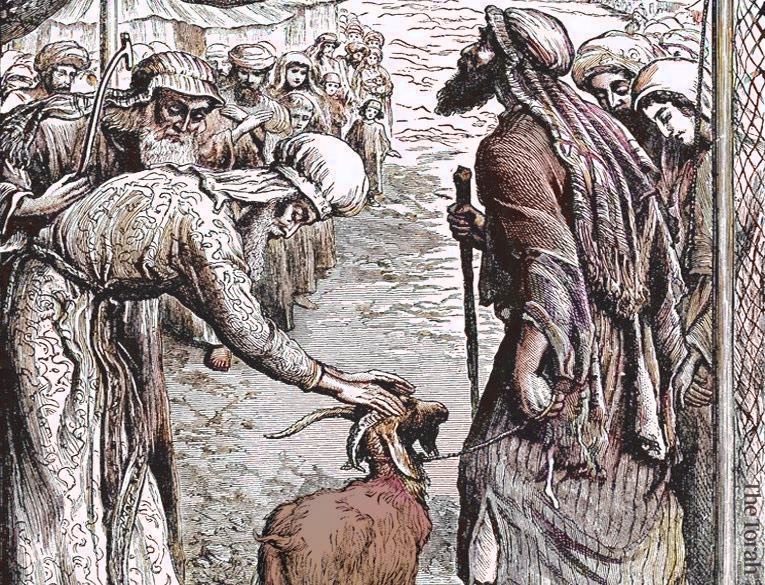
“As we have seen, Girard regards religion and culture not as the inventions of rational human beings but as essential processes in the evolution of humanity. For him, the scapegoating process functions as a catalyst in the development of symbolic thought. This increased mental capacity leads to ritual and myth, which in their turn develop…
Category
humanities
Freedom was a potato: violence, accumulation, domination, and vegetarianism
Munch: When Munch was a boy… freedom was a potato. It was you didn’t get killed today. Freedom from hunger, from the rusty blade. But to free himself, the man ate first so others could not. He killed before he was killed. He wanted nothing more, because only kings… had the freedom to want. But…
Misers Thrive on Money and Contempt
“Like all misers he had a constant need to pit his wits against those of other men, to mulct them of their crowns by fair legal means. To get the better of others, was that not exercising power, giving oneself with each new victim the right to despise those weaklings of the earth who were…
Learning One’s Roles Well Is Like Learning One’s Native Language Well: Confucian Role Ethics
“Role interactions are mutually reinforcing when performed appropriately. The ideal Confucian society is basically family and communally oriented, with customs, traditions and rituals serving as the binding force of and between our many relationships and the responsibilities attendant on them. To understand this point fully we must construe the term li, translated as “ritual propriety,”…
Esotericism: The Province of Highly Educated, Affluent and Powerful Intellectuals?
“Despite the proliferation of interest in the subjects of secrecy and esotericism throughout popular culture, media and entertainment, these phenomena have only recently begun to be treated seriously by historians of religions. In this essay, I suggest a new way of looking at esotericism by engaging in a comparative, cross-cultural analysis, and by looking in…
Humans Don’t Have a Special Status in The Living World: Ethical Vegetarianism/Veganism, Human Exceptionalism & Radical Politics
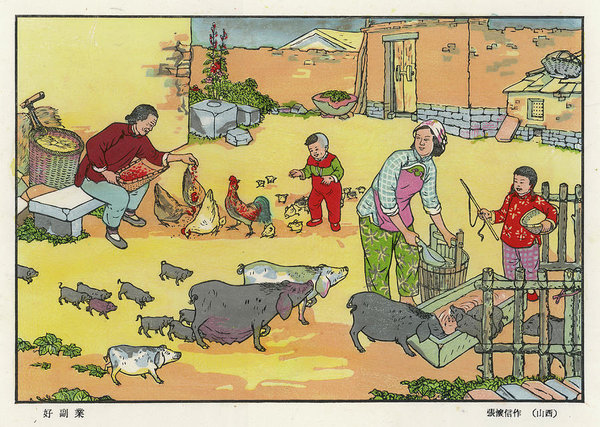
“Cruelty plays a fundamental role in the vegetarian’s argument inasmuch as the principal reason the vegetarian does not want to eat meat is that she does not want to kill animals or cause them to suffer. The vegetarian sees cruelty in purely negative terms; she believes that its complete eradication is a realistic goal that…
Sophia is the feminine Christ. Without her, there is only cruel and delusional Yahweh.
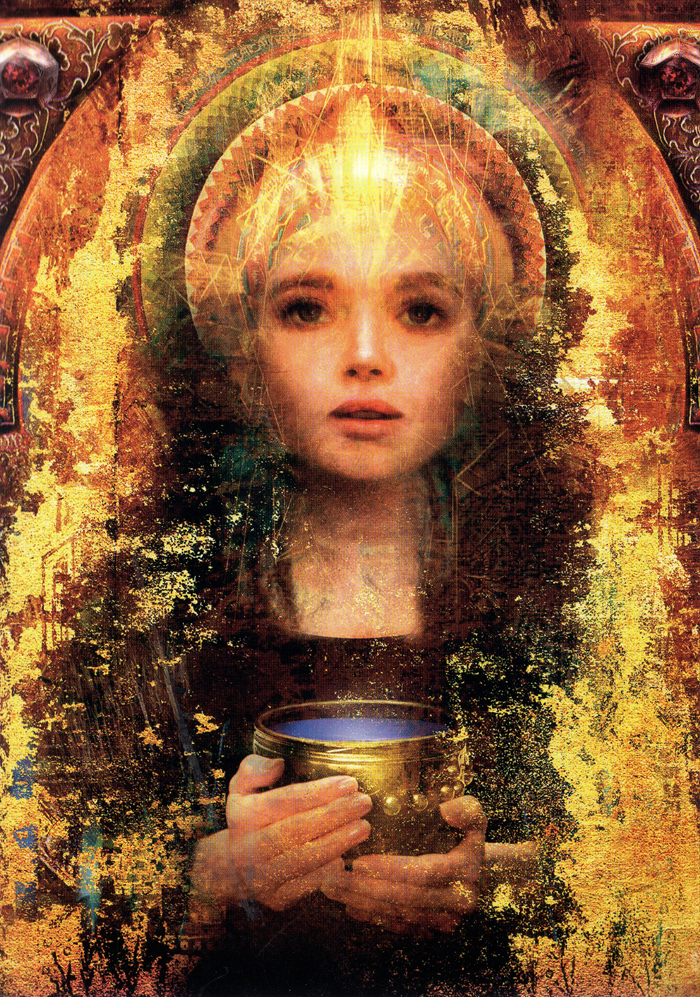
“For all that [Jordan] Peterson speaks of the Bible, so far, he leaves out one vital figure, perhaps the most vital figure: Sophia. In Carl Jung’s Answer to Job, Jung calls Sophia the logos itself. He names Sophia the mediator between humankind and God. Who is Sophia? Wisdom. She is the feminine wisdom exiled from…
Philosophy of Orgasm: Whitehead and Eros as the Desire for Fulfillment
“In Adventures of Ideas, which I found to be the most accessible read of Whitehead’s works, he discusses in more detail his thoughts of eros and its relationship to God. Eros is the power in the universe urging toward the realization of ideals, and as such it plays a major role in his later work….
Anyone Can Get Rich in America: The Polka King, Capitalism, and the American Dream
I watched a really funny movie on Netflix over the weekend called The Polka King. (**SPOILERS AHEAD!!**) Beside the fact that the movie takes place in the town where I went to high school (Hazleton, Pennsylvania) and the fact that it has lots of polka music (which I fondly remember my grandmother listening to…
At least some form of continuity between mind and nature…
“A central feature of any naturalism is that there is at least some form of continuity between mind and nature – or, that mind “stretches” to meet nature (in the words of John Dewey). But, what is “mind” within a naturalistic register? A basic premise for naturalists such as Charles S. Peirce, John Dewey, George…