Category

Thoughts

Becoming Black: Reflections on the “W” Word, Supersessionism, and the Theological Origins of White Supremacy

“The choice, as James Cone insists, is that God must be Black; without that commitment, the universal story is not possible, because Whiteness fails to express solidarity with all – and God’s Blackness is about solidarity. For Cone, ‘The blackness of God means that God has made the oppressed condition, God’s own condition.’ Whiteness, instead,…

Read More

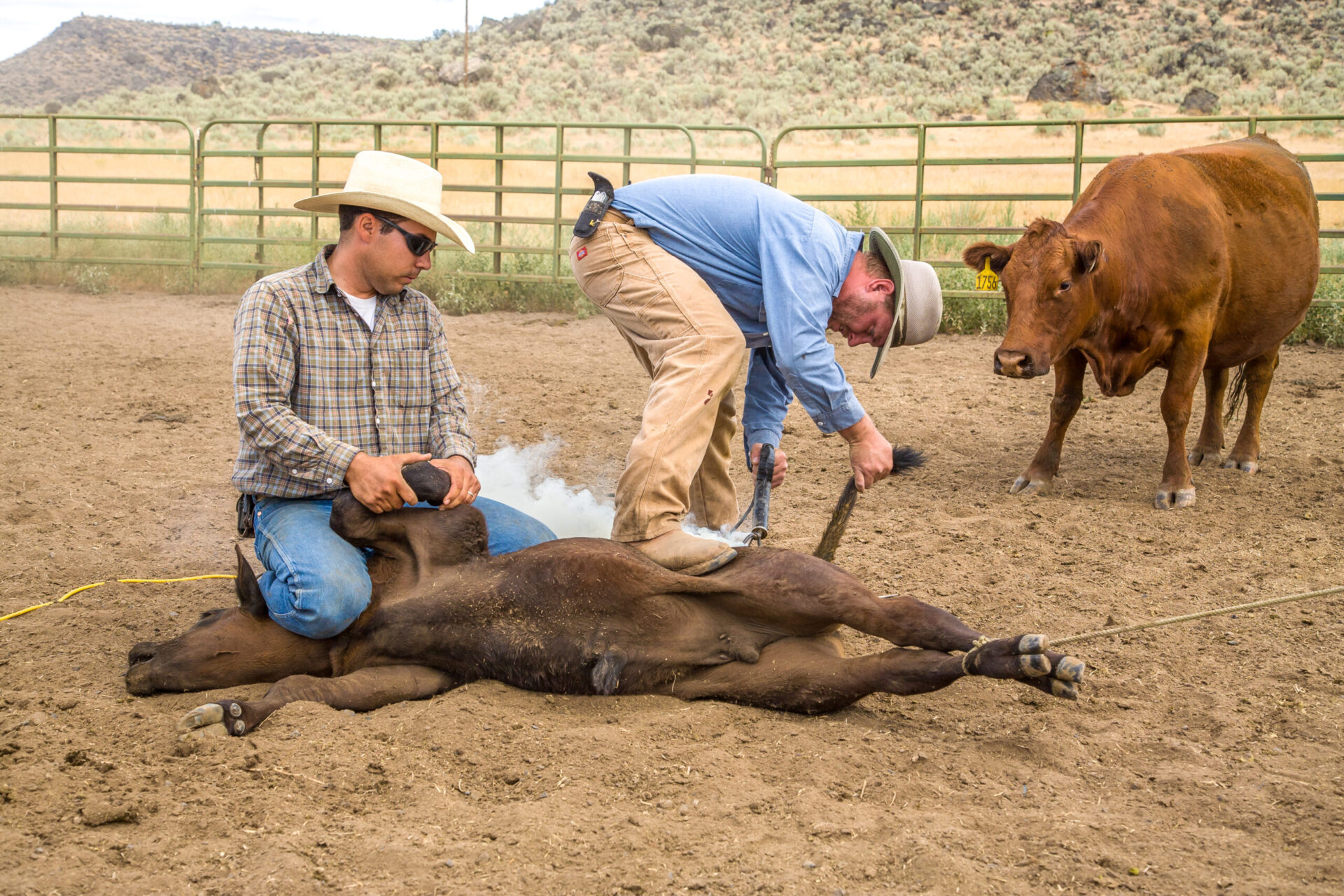
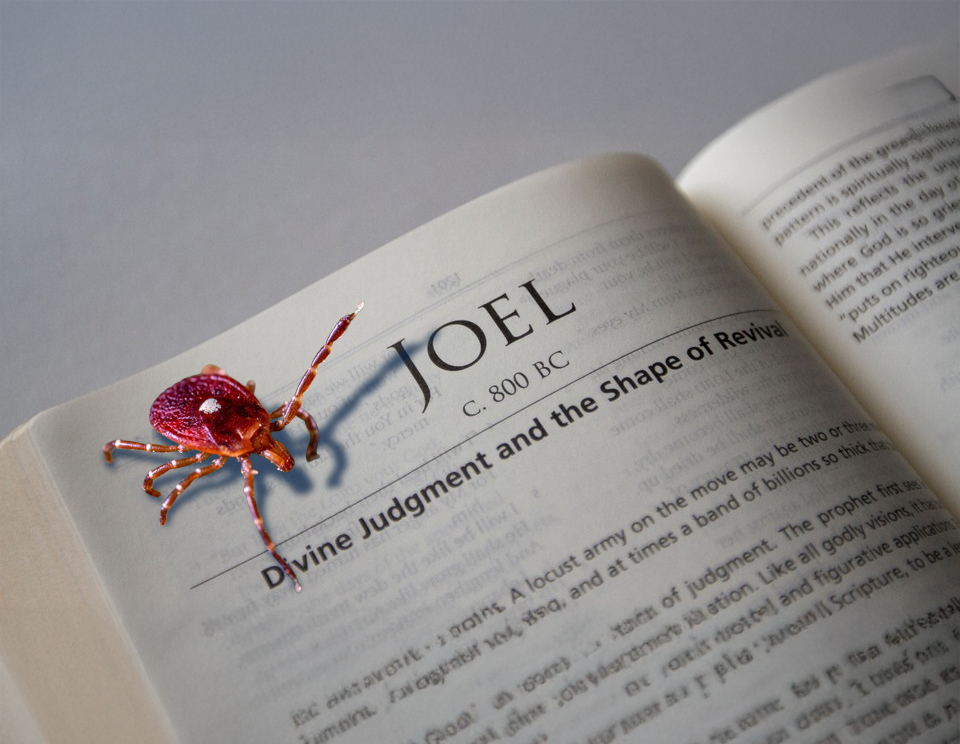
The Judgement and Salvation of the Lone Star Tick: Mammals, Meat, and Non-Human Prophets

“The central theme in the prophecy of Joel, one of the 12 minor prophets (dōdekaprophēton), is that the Day of the Lord (yōm ădȏnay) is at hand (chs. 2–3). […] Joel utilizes the concept contextually for his contemporaries, using the locust swarms to point to the Day of the Lord as a day of both…

Read More

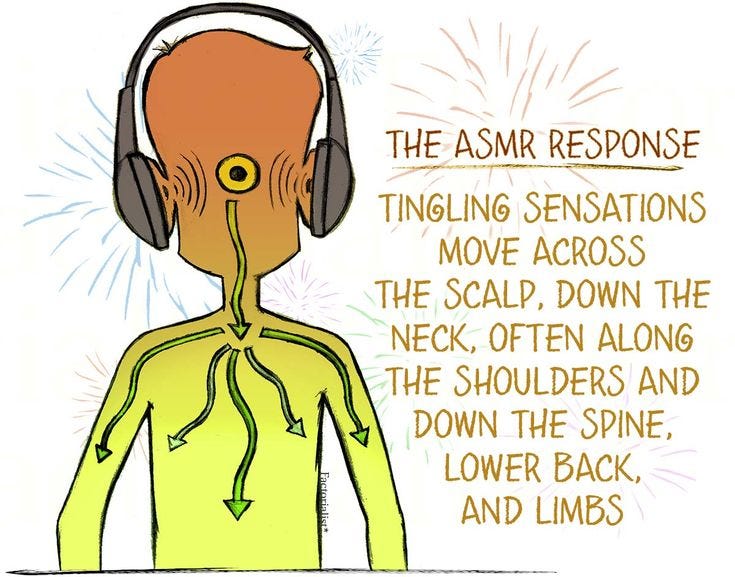
The Ordinary Texture of Existence: Reflections on ASMR and The Consummatory Satisfaction of Felt Quality

“Whisper whisper whisper.” –Anonymous ASMRtist old pond– frog jumps in. Plop! –Matsuo Bashô “In Whitehead’s analysis of an occasion of experience, the “category of transmutation” (PR 63) describes how the felt qualities of past events are fused into a new event with the consummatory satisfaction of an emergent pervasive aesthetic quality. […] Whitehead’s “satisfaction” is identified…

Read More

The Manliest of All Rituals: Critical and Creative Nonviolent Reflections on Hunting

“The adoption of fixed settlements also created problems with regard to the status of women. When a hunter-gatherer people took up fixed settlement, in actual practice it pursued its livelihood through fishing or simple cultivation and herding, but it preserved the lifestyle that had existed in the hunter-gatherer phase. In sum, a division of labor…

Read More

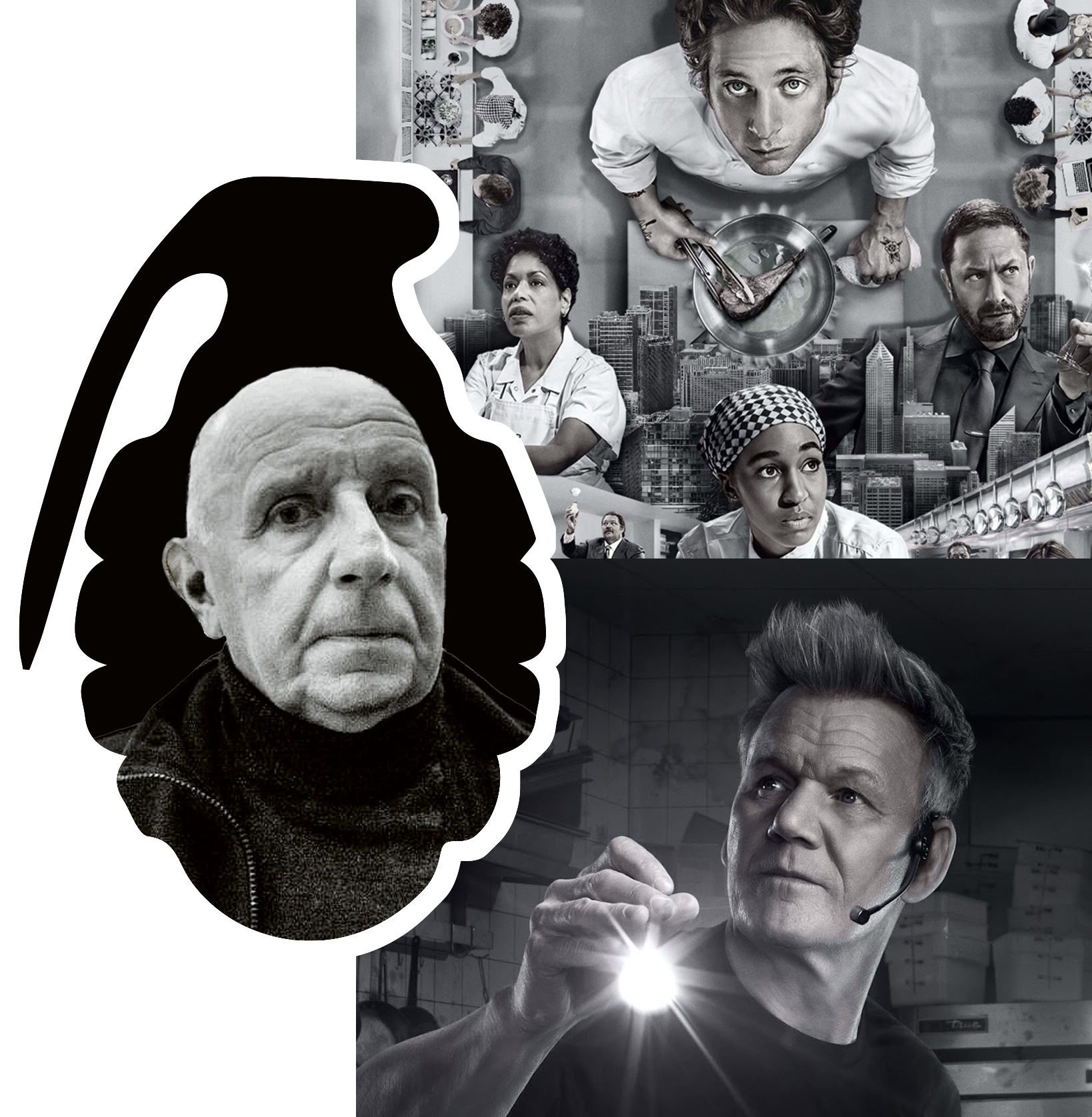
The Kitchen Bunker: Paul Virilio and the War Logic of Fine Dining

“All of us are already civilian soldiers, without knowing it… The great stroke of luck for the military class’s terrorism is that no one recognizes it. People don’t recognize the militarized part of their identity.” –Paul Virilio, Pure War. New York, NY, U.S.A.: Semiotext(e), 1983. p. 18 We normally don’t think about Paul Virilio while…

Read More

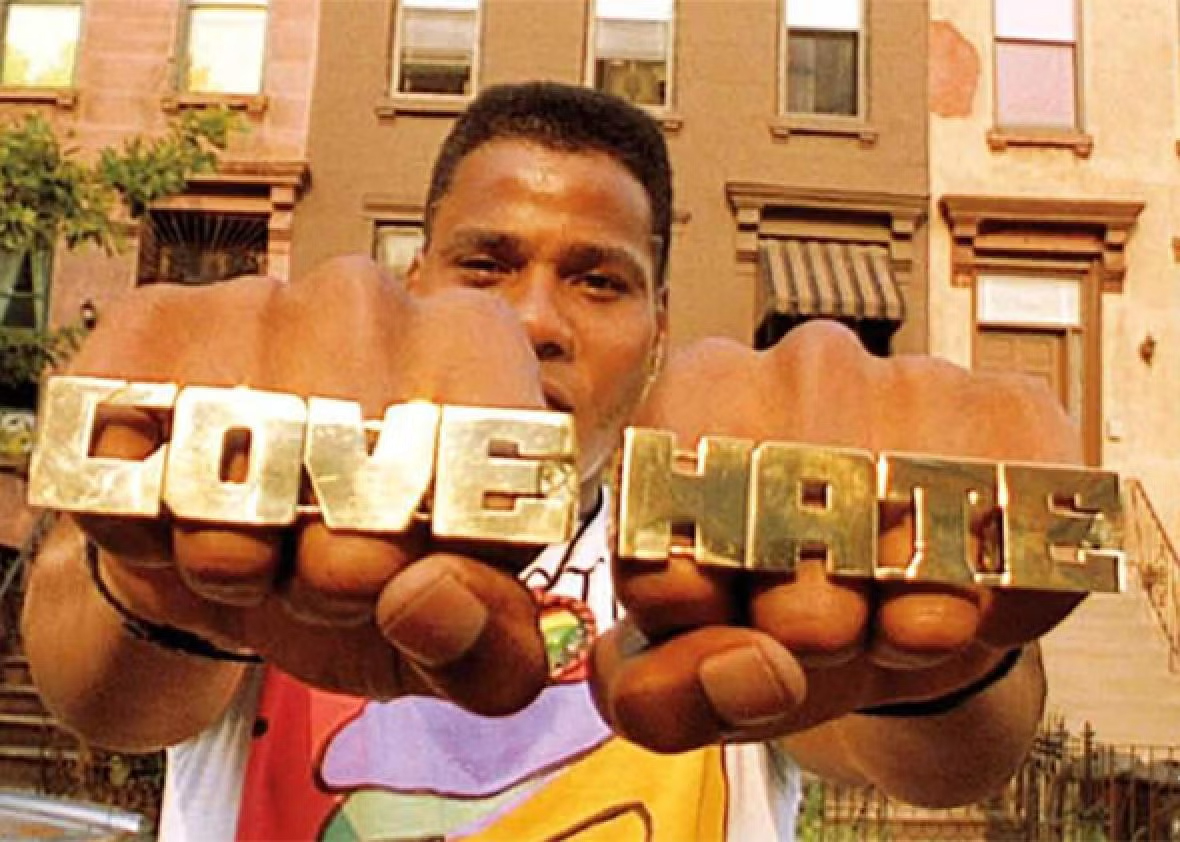
I Hate COPS Because I Love COPS

“As an occupation, policing necessarily involves people in a violent institution, demands they forfeit their freedom to a hierarchical chain of command and constraints imposed by their oath of office, and asks them to participate in an idolatrous view of the nation-state as the place where God’s action in history is primarily to be experienced…

Read More

Losing Oneself: Brief Reflections on Identity, Roles, and Alienation

“Although the social structures in the contemporary world are less rigid than in ancient cultures, there are still many pre-established functions or roles that people readily identify with and which thus become part of the ego. This causes human interactions to become inauthentic, dehumanized, alienating. Those pre-established roles may give you a somewhat comforting sense…

Read More

The Repercussions of Military Power Reverberate Through the People: Grahm Adams and Systems of Domination

  “Then, having overcome this awkwardness, they [Jesus and friends] are confronted with another: a man ‘possessed’ by a demon, chained and living among the tombs, to represent both his affinity with death and his uncleaness. But nothing had the power to restrain him. And he speaks, or rather the spirit within him speaks: ‘My…

Read More

Everything Differing Would Constitute a Monstrosity: Statistical Analysis and The Empire of Normality

“By studying records of Scottish soldiers, he [Adolphe Quetelet] was able to make averages of height, weight, and so forth to understand and predict the nature of the typical Scotsman. Based on this, Quetlet argued that the concept of the average man would be helpful for understanding the ‘normal state’ of health. This is perhaps…

Read More