Category

Theology

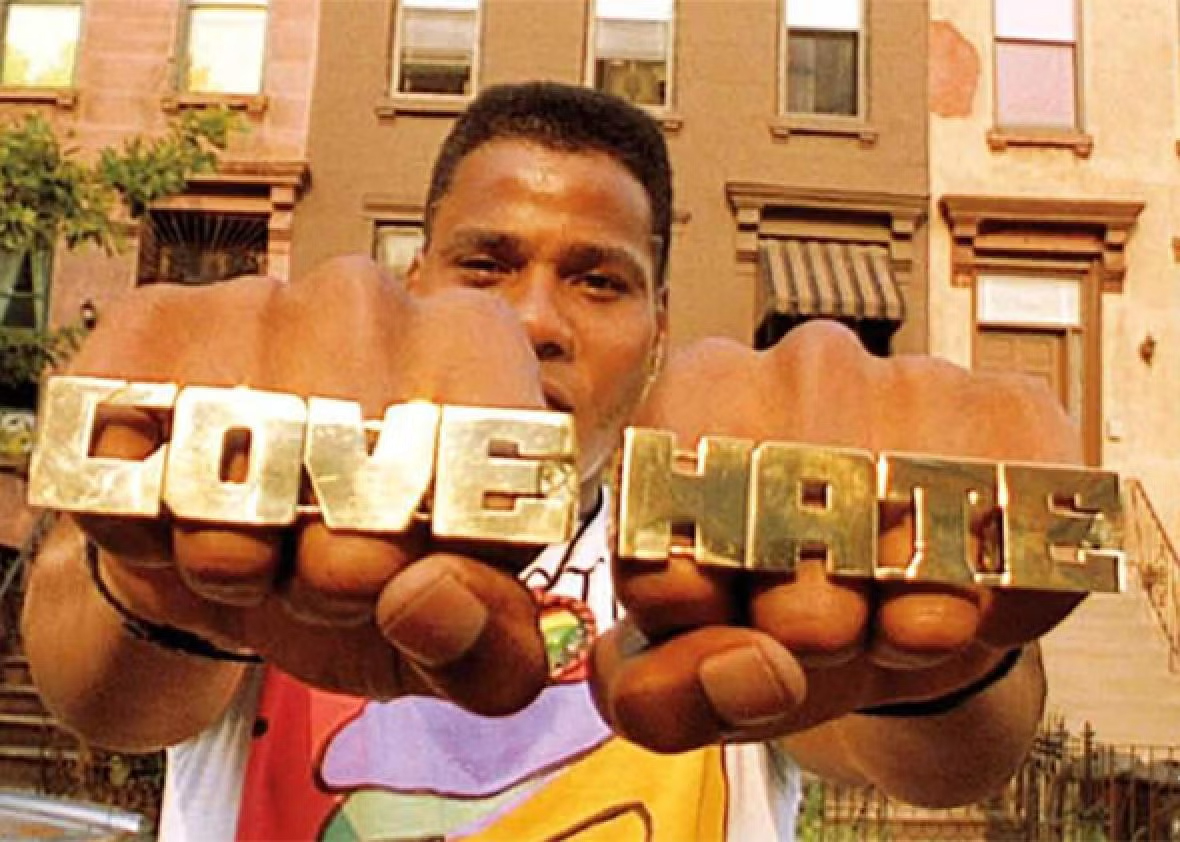
Becoming Black: Reflections on the “W” Word, Supersessionism, and the Theological Origins of White Supremacy

“The choice, as James Cone insists, is that God must be Black; without that commitment, the universal story is not possible, because Whiteness fails to express solidarity with all – and God’s Blackness is about solidarity. For Cone, ‘The blackness of God means that God has made the oppressed condition, God’s own condition.’ Whiteness, instead,…

Read More

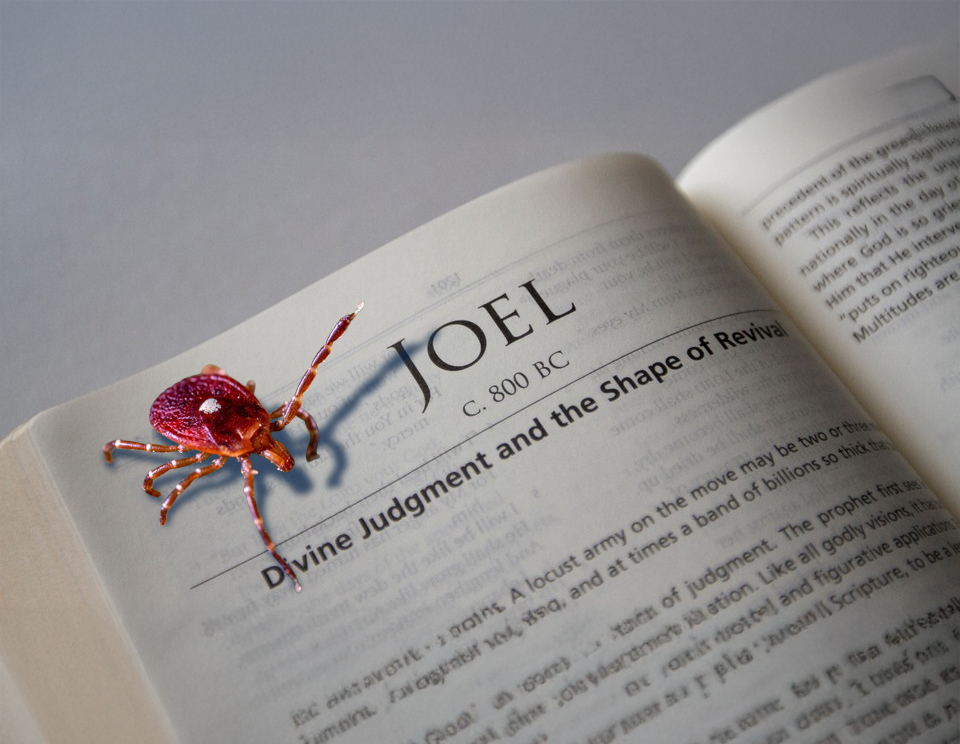
The Judgement and Salvation of the Lone Star Tick: Mammals, Meat, and Non-Human Prophets

“The central theme in the prophecy of Joel, one of the 12 minor prophets (dōdekaprophēton), is that the Day of the Lord (yōm ădȏnay) is at hand (chs. 2–3). […] Joel utilizes the concept contextually for his contemporaries, using the locust swarms to point to the Day of the Lord as a day of both…

Read More

Each Occasion is Concerned With The Universe: Virtuous Oscilation, Whitehead, and Quaker Concernedness

“Consciousness flickers; and even at its brightest, there is a small focal region of clear illumination, and a large penumbral region which tells of intense experience in dim apprehension.” –Whitehead, Process and Reality “An exemplar can exemplify only some of its properties. It brings those properties to the fore by marginalizing, downplaying, or ignoring other…

Read More

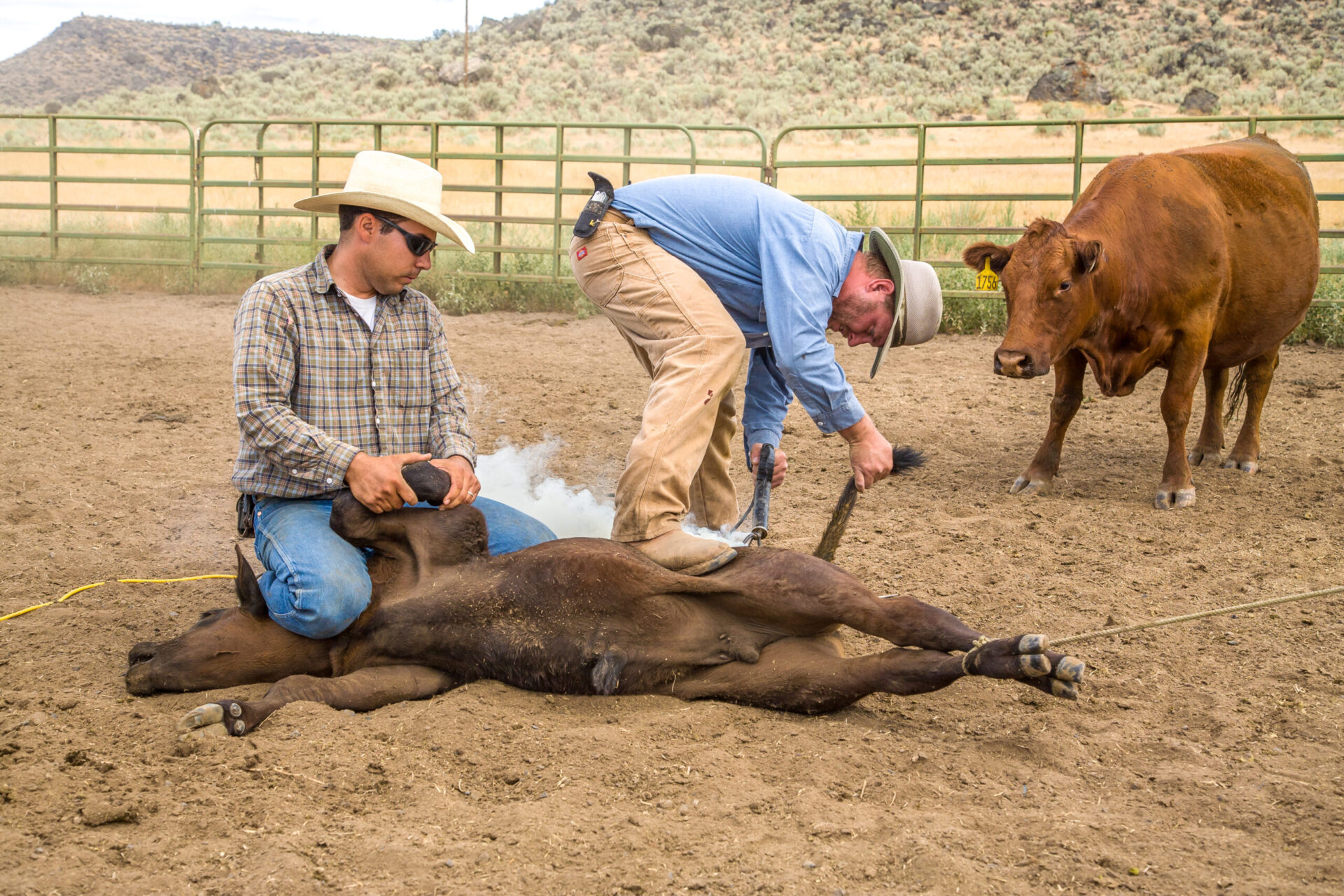
The Manliest of All Rituals: Critical and Creative Nonviolent Reflections on Hunting

“The adoption of fixed settlements also created problems with regard to the status of women. When a hunter-gatherer people took up fixed settlement, in actual practice it pursued its livelihood through fishing or simple cultivation and herding, but it preserved the lifestyle that had existed in the hunter-gatherer phase. In sum, a division of labor…

Read More

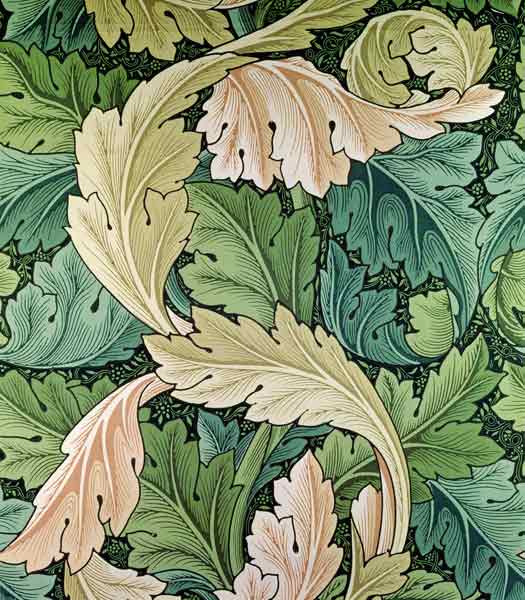
The Theo-Aesthetic World of William Morris: Introduction

This is the introduction to a paper on William Morris I am writing for a MFA class, the rough draft of which I recently submitted.  Introduction As generative AI floods our screens with astonishingly strange deepfakes and algorithms continue to commodify creativity, a quiet rebellion has been blooming: Gen Z “Luddites” ditch smartphones for flip…

Read More

The Repercussions of Military Power Reverberate Through the People: Grahm Adams and Systems of Domination

  “Then, having overcome this awkwardness, they [Jesus and friends] are confronted with another: a man ‘possessed’ by a demon, chained and living among the tombs, to represent both his affinity with death and his uncleaness. But nothing had the power to restrain him. And he speaks, or rather the spirit within him speaks: ‘My…

Read More

Paterfamilias: JD Vance and The Imperial Caste System

“The normalization of hierarchy starts right away in our lives, with adults ruling over children (or minors as the state defines them). In the patriarchal bourgeois family, imposed as the norm over the last couple of hundred years of colonial conquest and industrial development, the father reins over the mother and the children. This model…

Read More

Not a Simple Sum of Interchangeable Parts: Substitutability and Rational Order vs. Aesthetic Order

“Our word “reason” goes back to the Greek verb lego, the verbal noun of which is the famous word logos, which was translated as the Latin ratio. Lego has two principal meanings: “to say” (hence the Word of John’s logos) and “to put together” (related to lechos as the marital couch). (As Whitehead states: “Logic…

Read More

Pennsylvania: Reclaiming the Land of Religious Anarchy

“Obedience presupposes duality: one who speaks and one who listens; one who knows and one who is ignorant; a ruler and ruled ones. Religious groups who broke away from the spirit of dependency and obedience cherish different values such as mutuality and interdependence…The main virtue of an authoritarian religion is obedience…God’s love and righteousness are…

Read More

The Most Godly Thing God Can Do is to Become Human and to Die: Kester Brewin, Temporary Autonomous Zones, and AI

”In a broad sense, the Old Testament [sic] can be read as the story of empire, and the inevitable corrupting harms that royal, religious power does to people. In this schema, the New Testament is God’s denouement: the most godly thing God can do is to become human and to die. In the Mass, in…

Read More