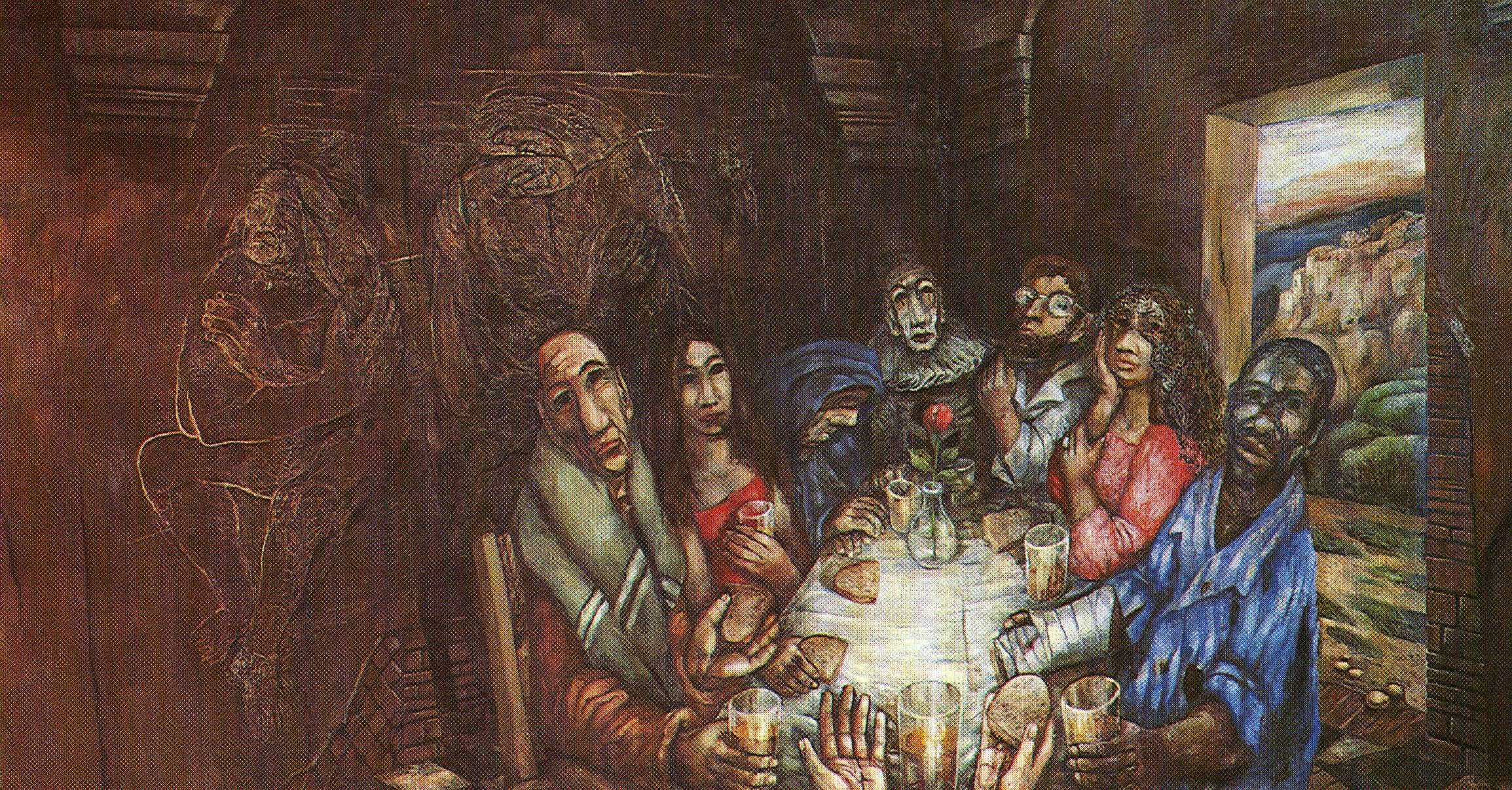
This is the third section in Part 1 of my recent grad school design paper in which I explore four laboratories of non-capitalist and postsocialist design. Please find the preceding sections below if you’d like to catch up: Introduction Part 1a: The Designed Object as Comrade in Constructivist Russia Part 1b: Advertising as Cultural Strategy…
Category
Politics
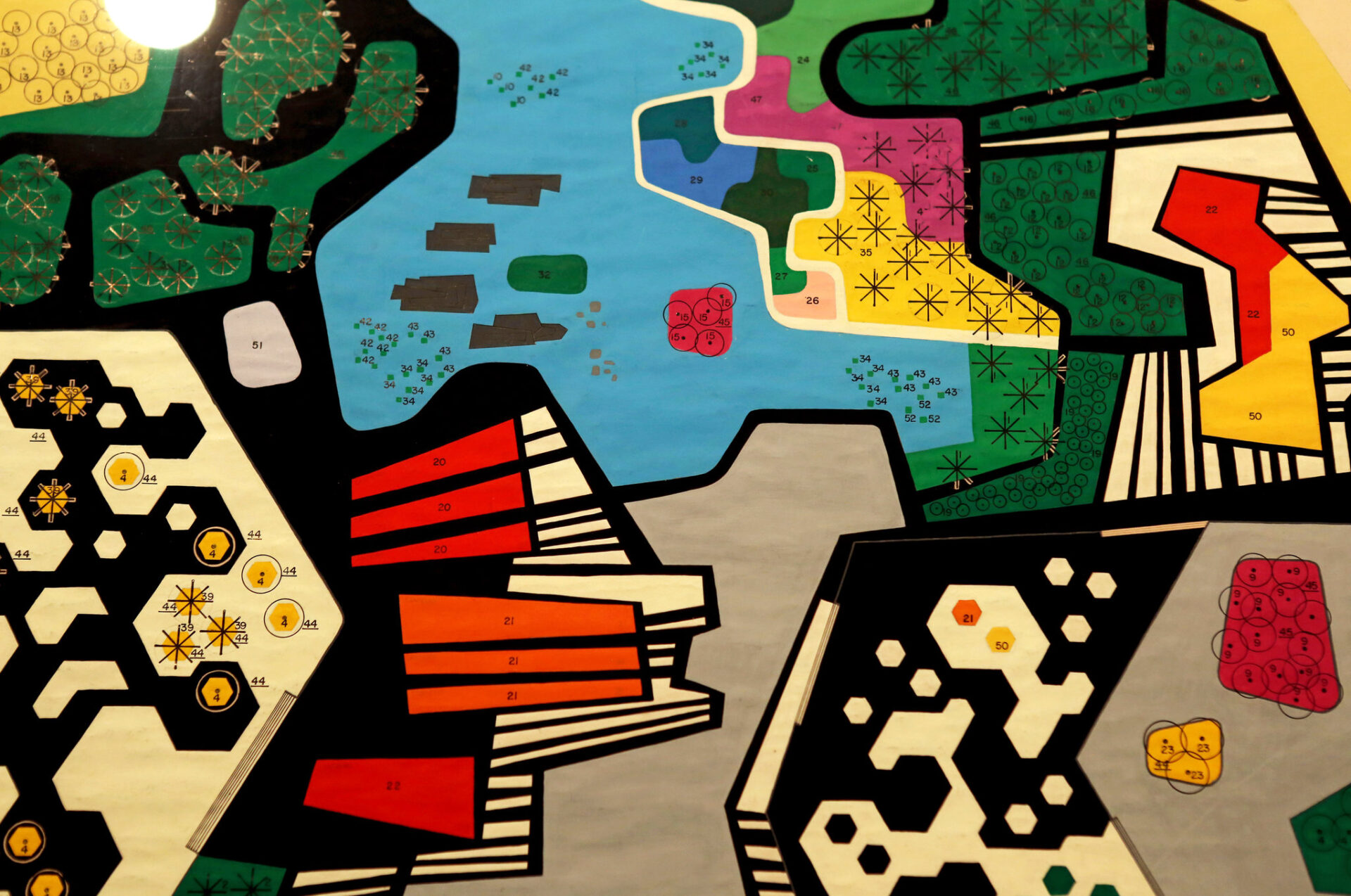
Designing for Beauty, Sufficiency, and Collective Care – Part 1b: Advertising as Cultural Strategy in Socialist Yugoslavia
This is Part 1b of my recent grad school design paper, the introduction can be read here. and Part 1a can be read here. … From 1918 to 1992 Yugoslavia improvised their very own “third way” type of economy. In 1948 Josip Broz Tito broke with Stalin and pulled Yugoslavia (which today is comprised of…
Designing for Beauty, Sufficiency, and Collective Care – Introduction
I’ve decided to post my recent grad school paper in chunks since it is much longer than an average blog post. Below is the introduction. … Introduction Design is many things, but if we reflect on design as a trade or practice or vocation for a short time one might envision the people working as…
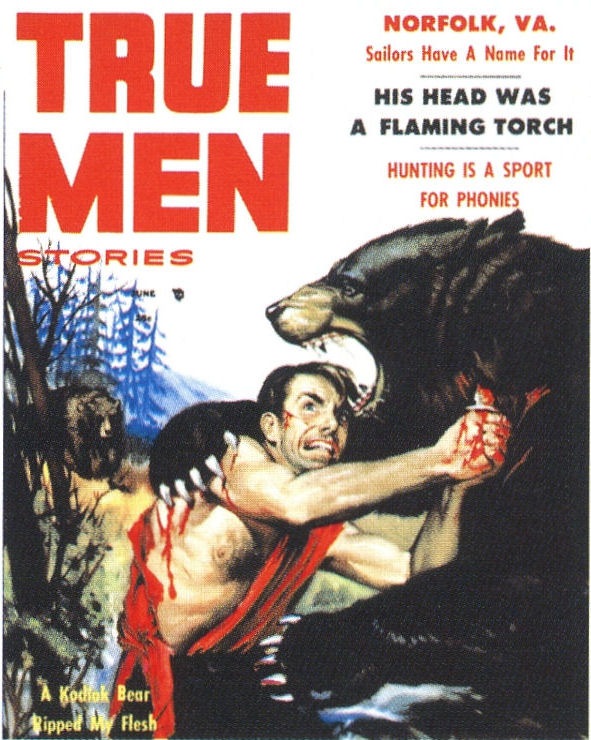
The Manliest of All Rituals: Critical and Creative Nonviolent Reflections on Hunting
“The adoption of fixed settlements also created problems with regard to the status of women. When a hunter-gatherer people took up fixed settlement, in actual practice it pursued its livelihood through fishing or simple cultivation and herding, but it preserved the lifestyle that had existed in the hunter-gatherer phase. In sum, a division of labor…
The Theo-Aesthetic World of William Morris: Introduction
This is the introduction to a paper on William Morris I am writing for a MFA class, the rough draft of which I recently submitted. Introduction As generative AI floods our screens with astonishingly strange deepfakes and algorithms continue to commodify creativity, a quiet rebellion has been blooming: Gen Z “Luddites” ditch smartphones for flip…
If a variety of nervous systems exist in nature, then what plants have is clearly one.
“Given what we know about the dynamics of sensing in creatures that have a brain, the lack of one should mean that any information generated from sensing ought to ripple meaninglessly through the plant body without producing more than a highly localize response. But it doesn’t. A tobacco plant touched in one place will experience…
The Most Godly Thing God Can Do is to Become Human and to Die: Kester Brewin, Temporary Autonomous Zones, and AI
”In a broad sense, the Old Testament [sic] can be read as the story of empire, and the inevitable corrupting harms that royal, religious power does to people. In this schema, the New Testament is God’s denouement: the most godly thing God can do is to become human and to die. In the Mass, in…
You can’t start with 1949 if you want to understand China: Martin Jacques and When China Rules the World
“Emmanuel Daniel (ED): Now, how would you apply your book, when you open the newspaper in the morning, and you read some of these issues coming out? What would you like to see China do? What would you like to see the West do? It shouldn’t be just capitulating that China owns the South China…
The Creation of Noninteroperable Computers Is A Fool’s Errand: Corey Doctorow and Seizing the Means of Computation
“Notably, tech giants today are able to wield the law against interoperators: new technologies that plug into their services, systems and platforms. That’s a privilege that none of yesterday’s easily toppled tech giants had—if IBM wanted to prevent its competitors (the “seven dwarfs” of the mainframe era) from making software, printers, keyboards and storage for…
Brief Reflections on Intellectual Effort as Private Property and Economic Commodity, Copyright, and The Social Activity Called Art
“’Authorship’ – in the sense we know it today, individual intellectual effort related to the book as an economic commodity – was practically unknown before the advent of print technology. Medieval scholars were indifferent to the precise identity of the “books” they studied. In turn, they rarely signed even what was nearly their own. They…