This is Part 3 of my recent grad school design paper in which I attempt to imagine a not-so-distant future world for the post-capitalist designer. We begin by de-commodifying the basic necessities of life (Part 3a) before proceeding to identify some post-capitalist design needs (Part 3b) which will then allow us to consider the roles…
Posts Tagged
socialism
Designing for Beauty, Sufficiency, and Collective Care – Part 2a: What is Degrowth?
This is the first section in Part 2 of my recent grad school design paper in which I explore two contemporary, post-capitalist movements that have much to offer our creative endeavor to imagine a new, ecologically sensitive design story. Degrowth and solarpunk are neither finished experiments nor cautionary tales but living, still-unfolding proposals, argued over…
Designing for Beauty, Sufficiency, and Collective Care – Part 1d: The Design Institutes of China
This is the fourth section in Part 1 of my recent grad school design paper in which I explore four laboratories of non-capitalist and postsocialist design. Please find the preceding sections below if you’d like to catch up: Introduction Part 1a: The Designed Object as Comrade in Constructivist Russia Part 1b: Advertising as Cultural Strategy…
Designing for Beauty, Sufficiency, and Collective Care – Part 1c: Design in Cuba: Sufficiency and Resourcefulness in Action
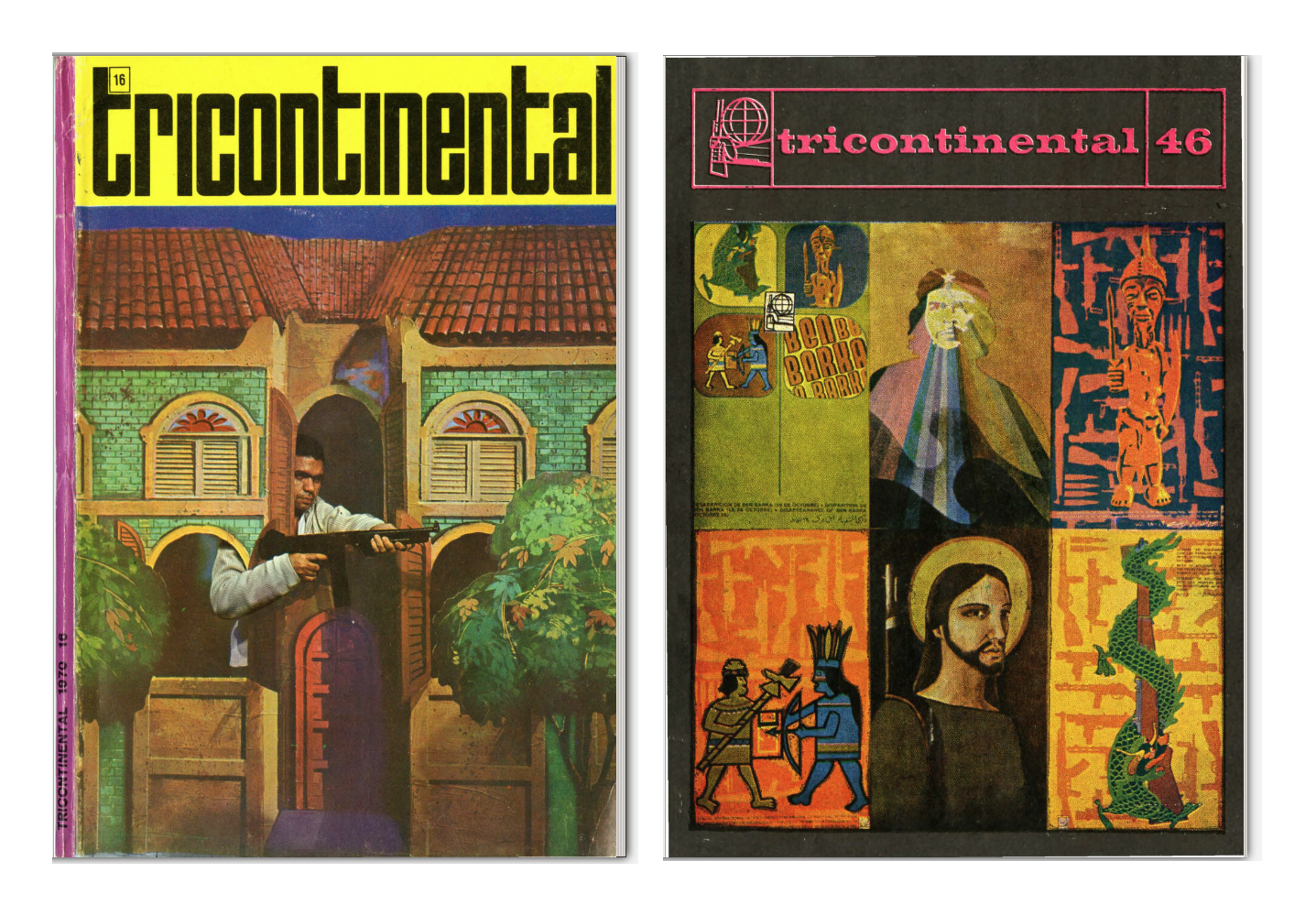
This is the third section in Part 1 of my recent grad school design paper in which I explore four laboratories of non-capitalist and postsocialist design. Please find the preceding sections below if you’d like to catch up: Introduction Part 1a: The Designed Object as Comrade in Constructivist Russia Part 1b: Advertising as Cultural Strategy…
Designing for Beauty, Sufficiency, and Collective Care – Part 1b: Advertising as Cultural Strategy in Socialist Yugoslavia
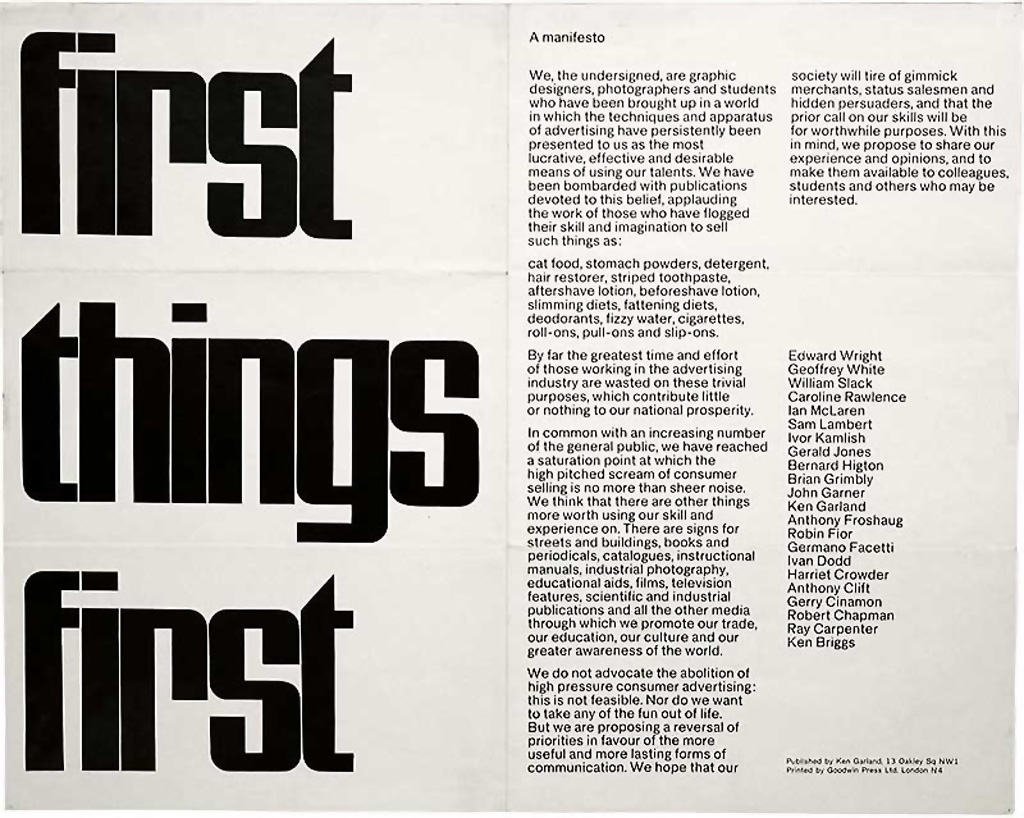
This is Part 1b of my recent grad school design paper, the introduction can be read here. and Part 1a can be read here. … From 1918 to 1992 Yugoslavia improvised their very own “third way” type of economy. In 1948 Josip Broz Tito broke with Stalin and pulled Yugoslavia (which today is comprised of…
Designing for Beauty, Sufficiency, and Collective Care – Part 1a: The Designed Object as Comrade in Constructivist Russia
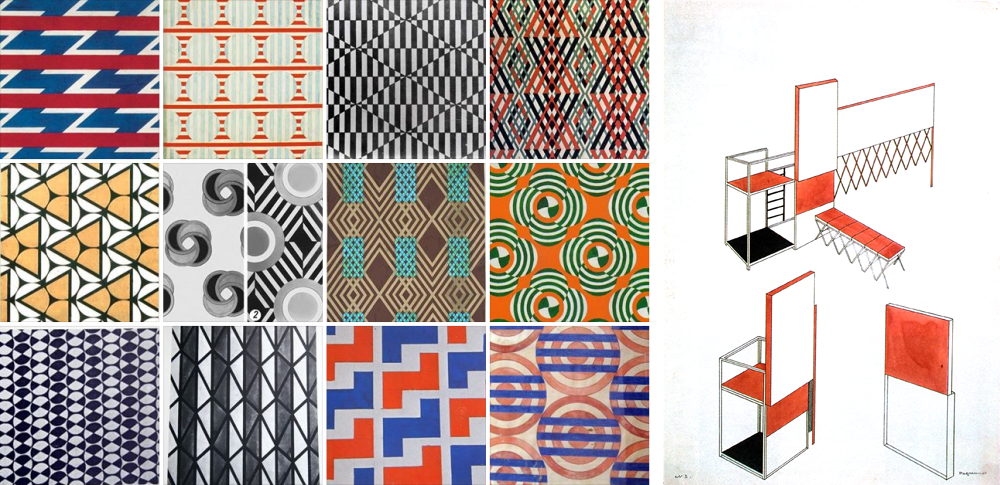
This is Part 1a of my recent grad school design paper, the introduction can be read here. … “Rodchenko names a new kind of emotionally affective object: the comradely object of socialist modernity. Unlike the commodities he encounters on his visit to capitalist Paris, which elicit a possessive relation that makes the objects into “slaves,”…
The Theo-Aesthetic World of William Morris
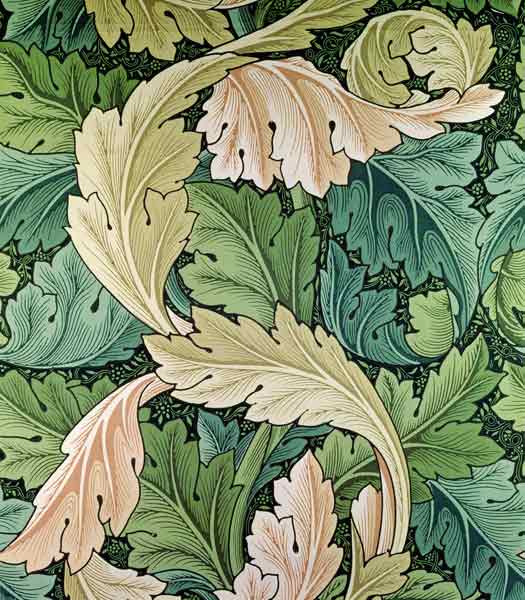
Recently, for a grad school class, we were asked to write an essay on a “design pioneer” of our choice for the first half of the summer session. For the second half, the class was asked to create a visual project based on the designer we had chosen. I chose British designer, writer, thinker, and…
The Theo-Aesthetic World of William Morris: Introduction
This is the introduction to a paper on William Morris I am writing for a MFA class, the rough draft of which I recently submitted. Introduction As generative AI floods our screens with astonishingly strange deepfakes and algorithms continue to commodify creativity, a quiet rebellion has been blooming: Gen Z “Luddites” ditch smartphones for flip…
Attempts at originality will set you drifting off course: process-relational thoughts on AI and copyright
“At issue is a new effort by the US Copyright Office to consider how to apply US copyright law to the nascent AI industry. The matter has triggered impassioned pushback from powerful tech interests who say they must have access to people’s hard work for free, or the future of their industry will be jeopardized….
By Gifts One Makes Slaves and by Whips One Makes Dogs
“The best response to anyone who wants to take seriously Nietzsche’s fantasies about savage hunters chopping pieces off each other’s bodies for failure to remit are the words of an actual hunter-gatherer-an Inuit from Greenland made famous in the Danish writer Peter Freuchen’s Book of the Eskimo. Freuchen tells how one day, after coming home…