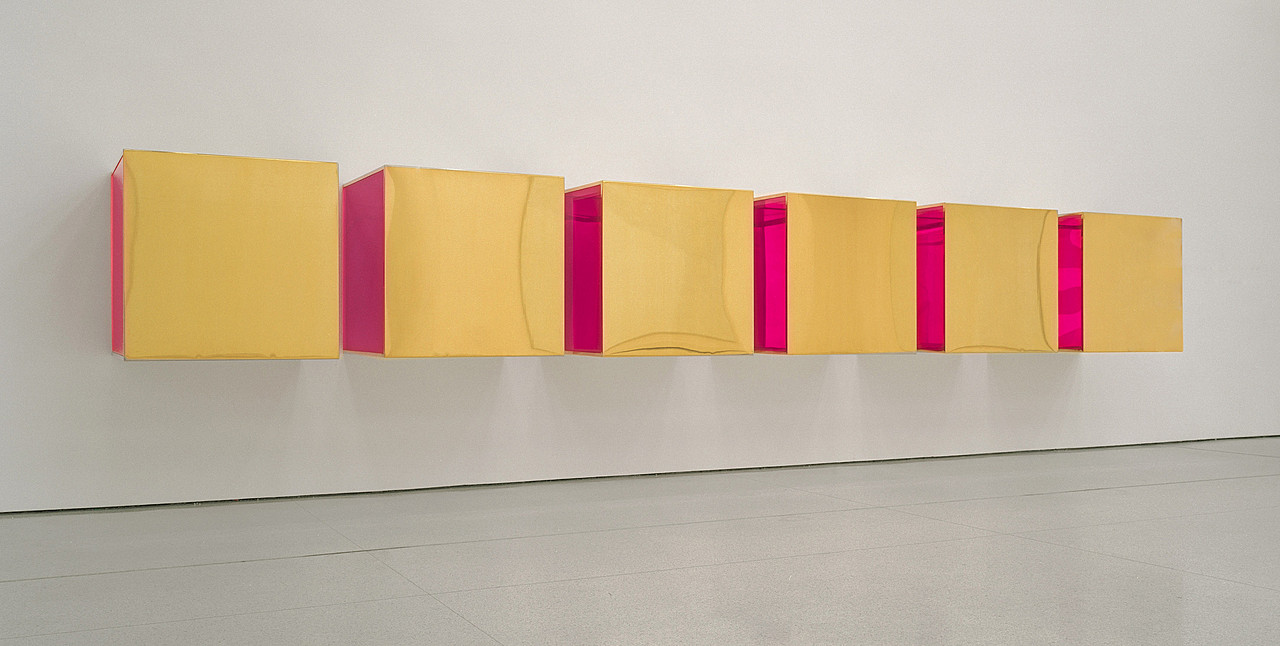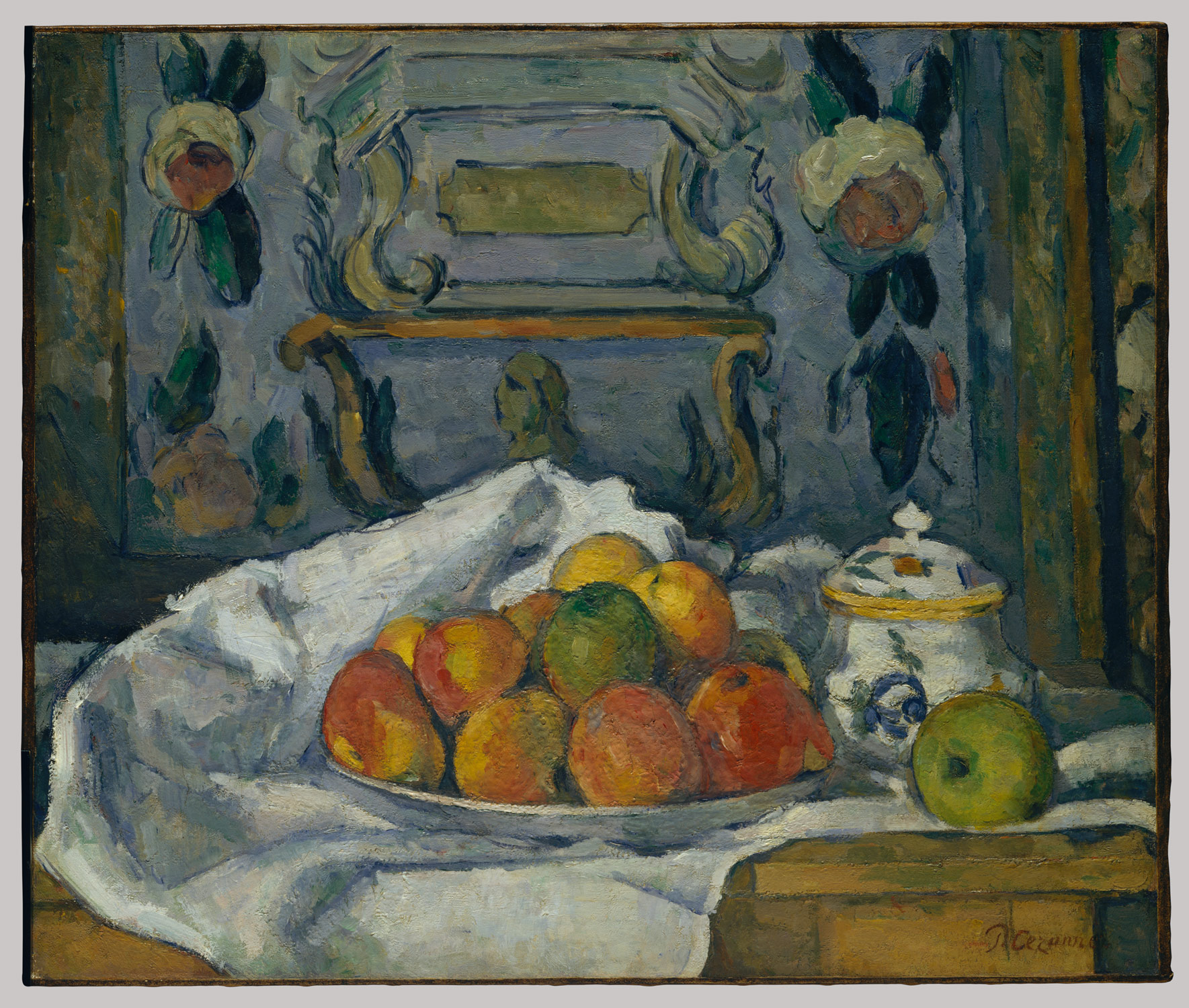
“Rodchenko names a new kind of emotionally affective object: the comradely object of socialist modernity. Unlike the commodities he encounters on his visit to capitalist Paris, which elicit a possessive relation that makes the objects into “slaves,” things made in the socialist East will actively promote egalitarian socialist culture. They will replace the pleasure of…
Posts Tagged
ethics
Not a Simple Sum of Interchangeable Parts: Substitutability and Rational Order vs. Aesthetic Order
“Our word “reason” goes back to the Greek verb lego, the verbal noun of which is the famous word logos, which was translated as the Latin ratio. Lego has two principal meanings: “to say” (hence the Word of John’s logos) and “to put together” (related to lechos as the marital couch). (As Whitehead states: “Logic…
By Gifts One Makes Slaves and by Whips One Makes Dogs
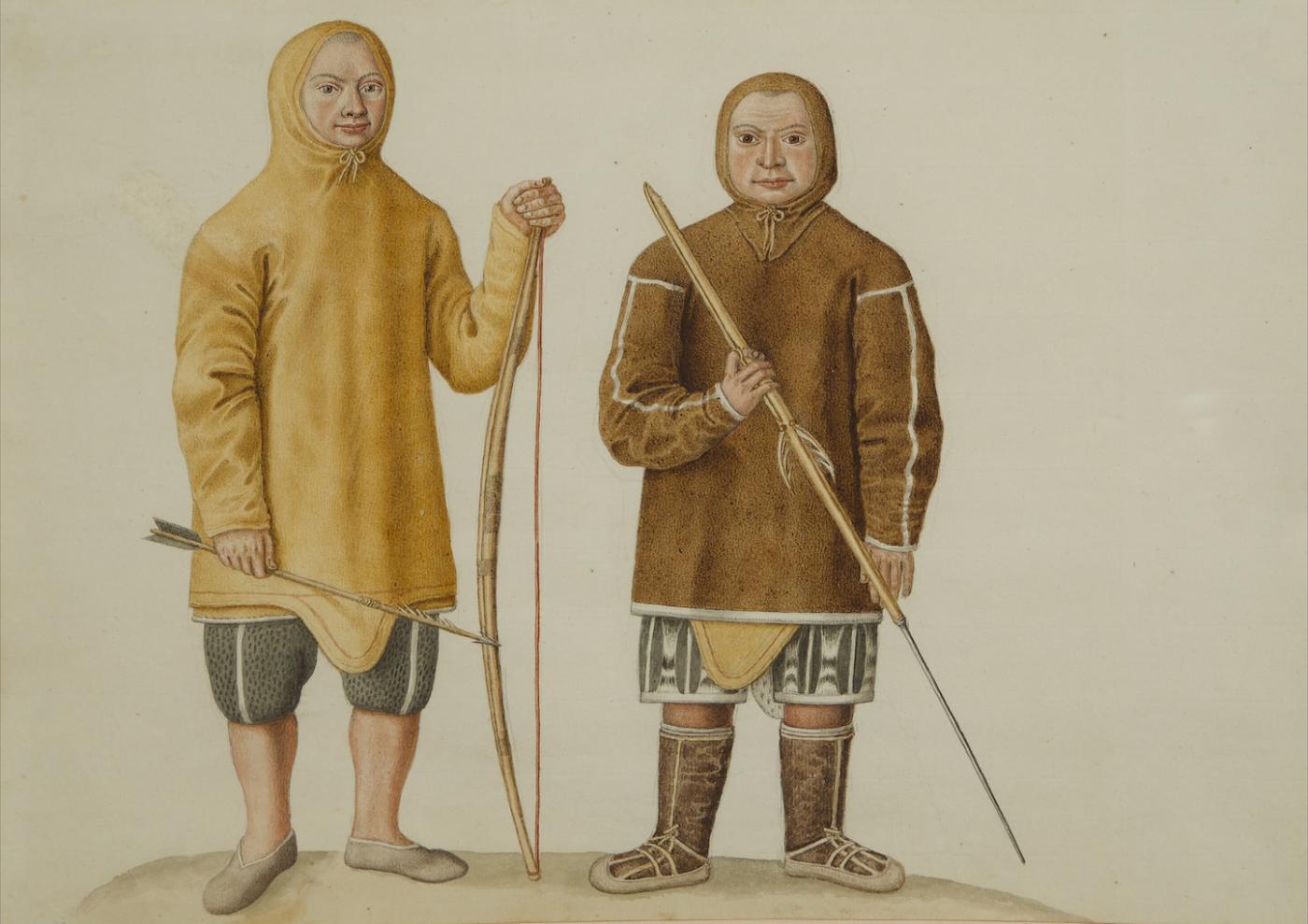
“The best response to anyone who wants to take seriously Nietzsche’s fantasies about savage hunters chopping pieces off each other’s bodies for failure to remit are the words of an actual hunter-gatherer-an Inuit from Greenland made famous in the Danish writer Peter Freuchen’s Book of the Eskimo. Freuchen tells how one day, after coming home…
Techne Tou Biou, “The Craft of Life”: Whitehead, Confucius, and the Aesthetics of Virtue
“The most constructive response to the crisis in moral theory has been the revival of virtue ethics, an ethics that has the advantages of being personal, contextual, and, as I will argue, normative as well. In this paper I will also propose that the best way to refound virtue ethics is to return to the …
“I feel” vs. “I think”: Thoughts on Cognition and Emotion
“I contend that the notion of mere knowledge is a high abstraction, and that conscious discrimination itself is a variable factor only present in the more elaborate examples of occasions of experience. The basis of experience is emotional.” —A.N. Whitehead, Adventures of Ideas Lately I have thinking about the phrases “I feel” and “I think.”…
The Benevolent Effects of Experiencing Awe
In other experiments, we evoked feelings of awe in the lab, for example by having participants recall and write about a past experience of awe or watch a five-minute video of sublime scenes of nature. Participants experiencing awe, more so than those participants experiencing emotions like pride or amusement, cooperated more, shared more resources and…
Harmony or Intensity? Process Philosophy and Suffering
Greater complexity of experience overcomes triviality, but it does not guarantee bliss… Recently Tripp Fuller from Homebrewed Christianity chatted with Leon Niemoczynski, a philosopher and nature lover who teaches Philosophy and Theology at Immaculata University and East Stroudsburg University. It’s a great interview. I like Leon quite a bit and read his blog, After Nature,…
Jesus Against Empathy
Originally posted on Toy Adams‘ Imagine Jesus Advent blog. … Empathy is a good thing, right? I’d say most people tend to think so. Things like mirror neurons, morality, doing the right thing, understanding, sharing peoples feelings, and other good stuff like that all come to mind at the utterance of the word “empathy.” I…
Christianity as a ‘slave-morality’
The best individual, as conceived by Aristotle, is a very different person from the Christan saint. He should have proper pride, and not underestimate his own merits. He should despise whoever deserves to be despised. The description of the proud or magnanimous man is very interesting as showing the difference between pagan and Christian ethics,…
My Big Problem With Sin
I am at an interesting place right now in regard to thinking about the subject of sin. After hearing sermon after sermon on the subject, reading book after book, having conversation after conversation, I’m convinced of pretty much one thing: For me, the biggest problem that human beings have with sin, is that we try…