Posts Tagged

anarchism

The Most Godly Thing God Can Do is to Become Human and to Die: Kester Brewin, Temporary Autonomous Zones, and AI

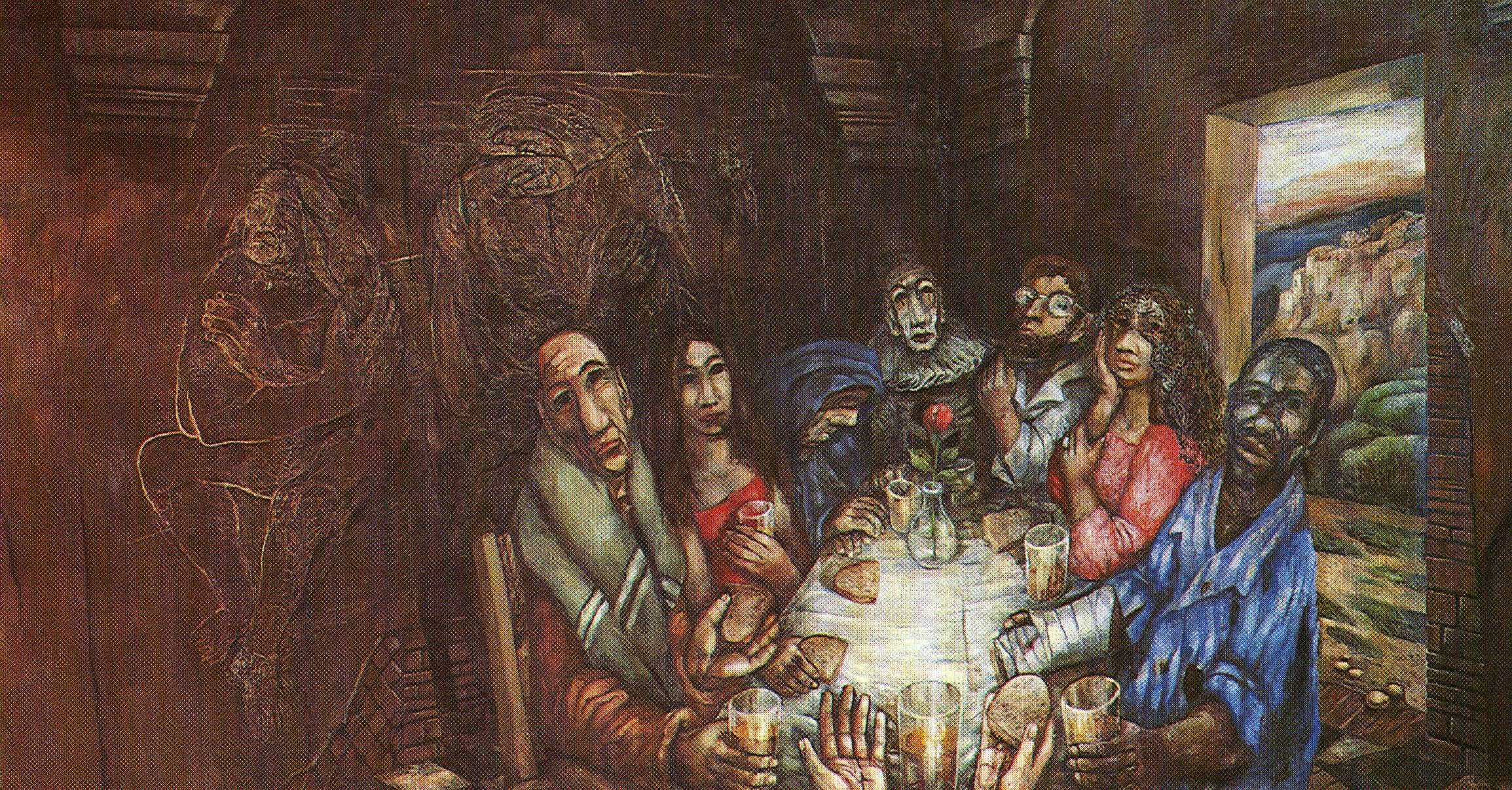
”In a broad sense, the Old Testament [sic] can be read as the story of empire, and the inevitable corrupting harms that royal, religious power does to people. In this schema, the New Testament is God’s denouement: the most godly thing God can do is to become human and to die. In the Mass, in…

Read More

The Creation of Noninteroperable Computers Is A Fool’s Errand: Corey Doctorow and Seizing the Means of Computation

“Notably, tech giants today are able to wield the law against interoperators: new technologies that plug into their services, systems and platforms. That’s a privilege that none of yesterday’s easily toppled tech giants had—if IBM wanted to prevent its competitors (the “seven dwarfs” of the mainframe era) from making software, printers, keyboards and storage for…

Read More

Brief Reflections on Intellectual Effort as Private Property and Economic Commodity, Copyright, and The Social Activity Called Art

“’Authorship’ – in the sense we know it today, individual intellectual effort related to the book as an economic commodity – was practically unknown before the advent of print technology. Medieval scholars were indifferent to the precise identity of the “books” they studied. In turn, they rarely signed even what was nearly their own. They…

Read More

No One is First, and No One is Last: Graber and Wengrow on Ethnomathematics and Egalitarianism

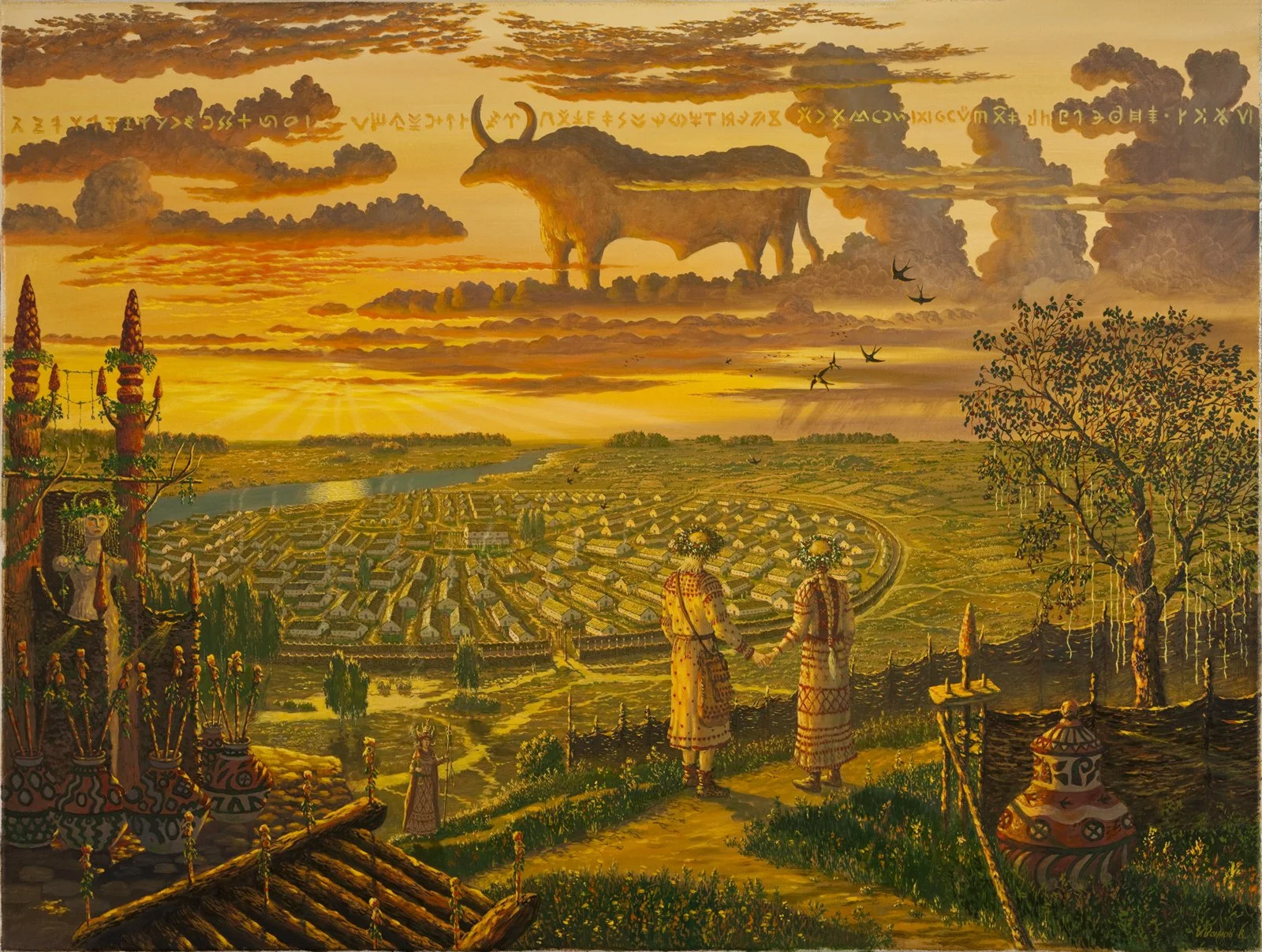
“But how did these households come together in such numbers to form the great concentric arrangements which give the Ukrainian mega-sites their distinctive plan? […] To understand how the citizens put this mental image into effect, translating it into a workable social reality at such enormous scales, we cannot rely on archaeology alone. Fortunately, the…

Read More

Tyranny and Centralized vs. Decentralized Power

“It was Montesquieu’s analysis that occasioned the great debate between the Federalists and the Anti-Federalists in the United States in 1787 and 1788. As everyone understood at the time, the fledgling polity was far too large to qualify as a small republic. Federalism was the remedy suggested by Montesquieu. A loose confederation of republics could…

Read More

The Parochial Right: Dave Rubin, Free Speech, and “Classical Liberalism”

“Once causes are determined, then there is talk of social injustice and the privileged begin to resist.” –Gustavo Gutiérrez I recently watched a video called Why I Left the Left featuring comedian and talk show host, Dave Rubin, who seems to be popular among clever, secular, atheist (in the worst sense), libertarian “free-thinker” types (Rubin…

Read More

Gun Control and ‘Fear the Powerful Government’ Arguments

“The government is the only power structure that’s even partially accountable to the population, so naturally the business sectors want to make that the enemy–not the corporate system, which is totally unaccountable. After decades of intensive business propaganda, people feel that the government is some kind of enemy and that they have to defend themselves…

Read More