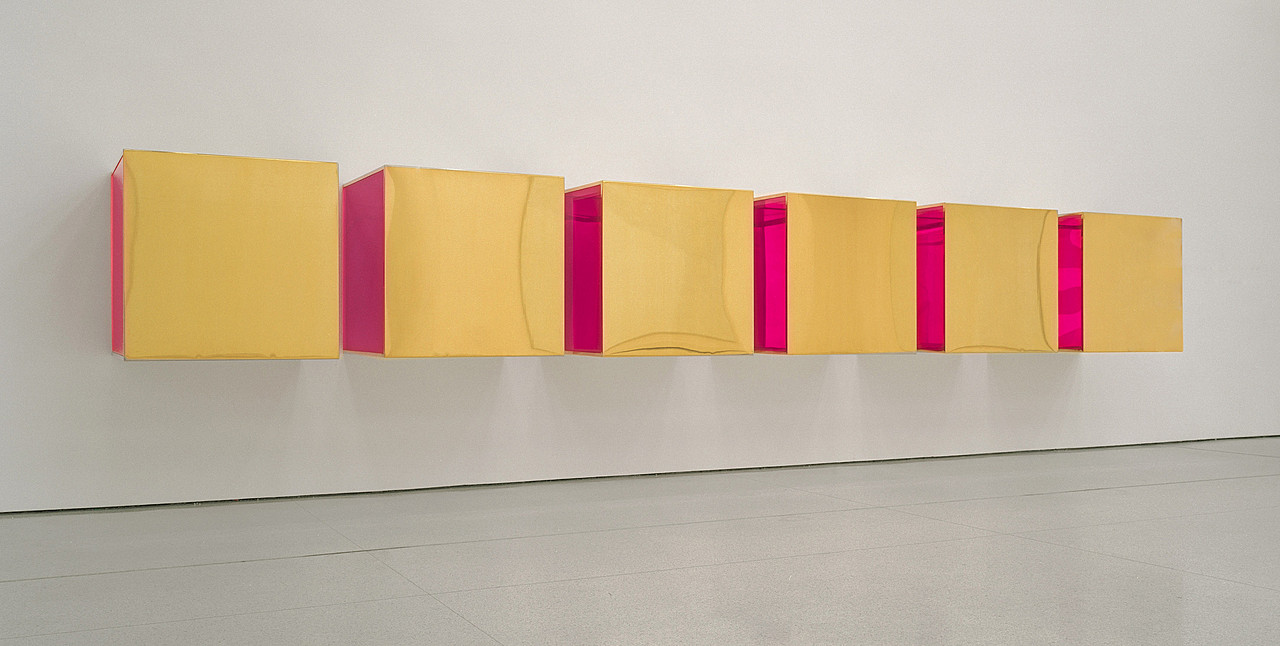
“Rodchenko names a new kind of emotionally affective object: the comradely object of socialist modernity. Unlike the commodities he encounters on his visit to capitalist Paris, which elicit a possessive relation that makes the objects into “slaves,” things made in the socialist East will actively promote egalitarian socialist culture. They will replace the pleasure of…
Posts Tagged
religion
Losing Oneself: Brief Reflections on Identity, Roles, and Alienation
“Although the social structures in the contemporary world are less rigid than in ancient cultures, there are still many pre-established functions or roles that people readily identify with and which thus become part of the ego. This causes human interactions to become inauthentic, dehumanized, alienating. Those pre-established roles may give you a somewhat comforting sense…
Mindless Rage Gives Way to Focused Wonder: Girard, Mimesis, and The Origins of Religion
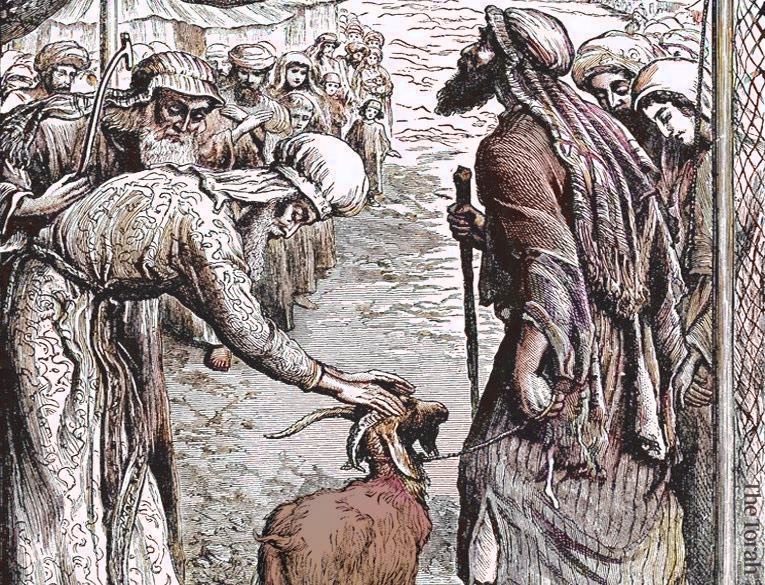
“As we have seen, Girard regards religion and culture not as the inventions of rational human beings but as essential processes in the evolution of humanity. For him, the scapegoating process functions as a catalyst in the development of symbolic thought. This increased mental capacity leads to ritual and myth, which in their turn develop…
A Rechristening of Heavenly Ecstasy in a Cold Baptismal Font of Money: McCarraher and Ruskin on the Enchantments of Mammon
“If, for Marx and Weber, capitalism was the dynamo of secular modernity, for Ruskin, it embodied a metamorphosis of the sacred, a perverse enchantment of the world. Ruskin clearly feared that ‘secularization’ was really a capitalist form of idolatry—a rechristening of heavenly ecstasy in a cold baptismal font of money, a re-enchantment conducted under the…
Esotericism: The Province of Highly Educated, Affluent and Powerful Intellectuals?
“Despite the proliferation of interest in the subjects of secrecy and esotericism throughout popular culture, media and entertainment, these phenomena have only recently begun to be treated seriously by historians of religions. In this essay, I suggest a new way of looking at esotericism by engaging in a comparative, cross-cultural analysis, and by looking in…
One Part Art + One Part Play + One Part Contemplation = Religion
If I were to quickly describe to someone what I thought good, healthy religion was I would say this: religion is one part art, one part play, and one part contemplation. So, religion is art in the sense that it taps into that same, beautiful, liminal space that good art taps into; I like the…
Can science eventually “explain everything?”
1. Nature is mechanical. 2. Matter is unconscious. 3. Laws of nature are fixed. 4. Total amount of matter and energy are always the same. 5. Nature is purposeless. 6. Biological inheritance is material. 7. Memories are stored as material traces. 8. Mind is in the brain. 9. Telepathy and other psychic phenomena are illusory….
Laïcité, The French and Radicalization
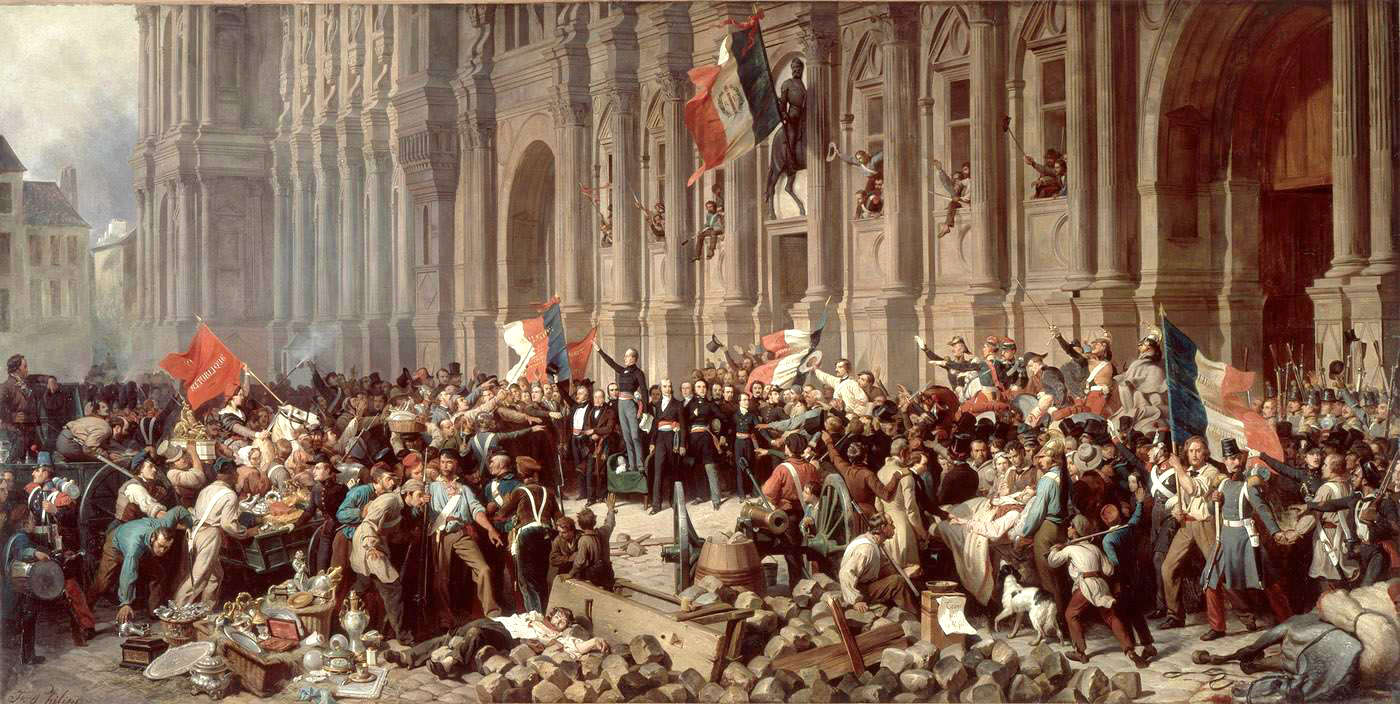
“During the French Revolution, France developed a much more aggressive approach to church/state separation than other European countries. Instead of merely keeping religion out of state affairs, French secularism condemned religion’s influence on political culture in general as pernicious. Formal separation of church and state isn’t enough; you need to exclude religion from national identity…
Matters of ultimate concern? Eh, who cares… (God, Religion, Pragmatism, Post-Theism, and “Nones”)
Humans are infinitely concerned about the infinity to which they belong, from which they are separated, and for which they are longing. –Paul Tillich (Paraphrase) I recently listened to Ryan Bell’s enjoyable interview with LeRon Shults. I really like listening to both Ryan and LeRon converse; they’re both super smart and interesting people and I’m…
Sheer Enjoyment as an End in Itself: Ritual as “Serious Play”
“Here is where Bellah’s approach becomes really interesting. He posits that early hominids developed the first ritual activities out of complexified forms of play, and that once our symbolic capacities developed sufficiently, these ritualized activities took on religious significance. Religion, then, grows out of the implications of ritual. Religion is not therefore primarily something you…