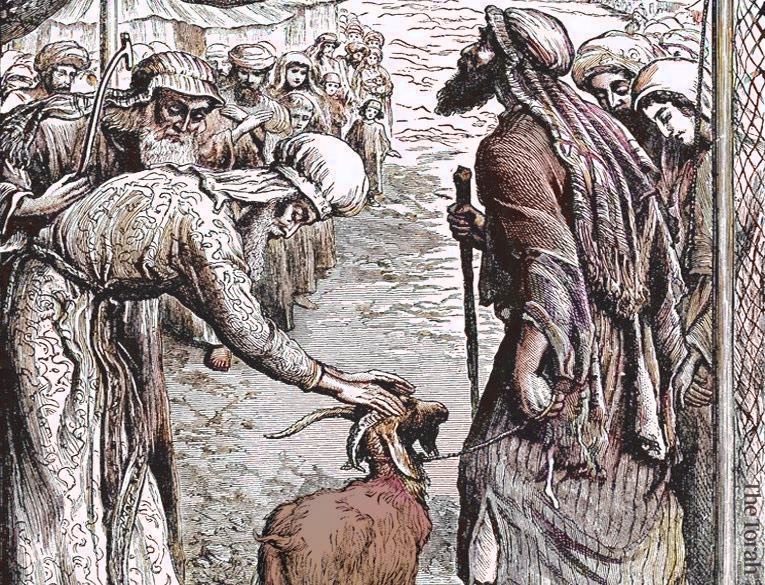
“As we have seen, Girard regards religion and culture not as the inventions of rational human beings but as essential processes in the evolution of humanity. For him, the scapegoating process functions as a catalyst in the development of symbolic thought. This increased mental capacity leads to ritual and myth, which in their turn develop…
Category
Anthropology
Freedom was a potato: violence, accumulation, domination, and vegetarianism
Munch: When Munch was a boy… freedom was a potato. It was you didn’t get killed today. Freedom from hunger, from the rusty blade. But to free himself, the man ate first so others could not. He killed before he was killed. He wanted nothing more, because only kings… had the freedom to want. But…
A Rechristening of Heavenly Ecstasy in a Cold Baptismal Font of Money: McCarraher and Ruskin on the Enchantments of Mammon
“If, for Marx and Weber, capitalism was the dynamo of secular modernity, for Ruskin, it embodied a metamorphosis of the sacred, a perverse enchantment of the world. Ruskin clearly feared that ‘secularization’ was really a capitalist form of idolatry—a rechristening of heavenly ecstasy in a cold baptismal font of money, a re-enchantment conducted under the…
No One is First, and No One is Last: Graber and Wengrow on Ethnomathematics and Egalitarianism
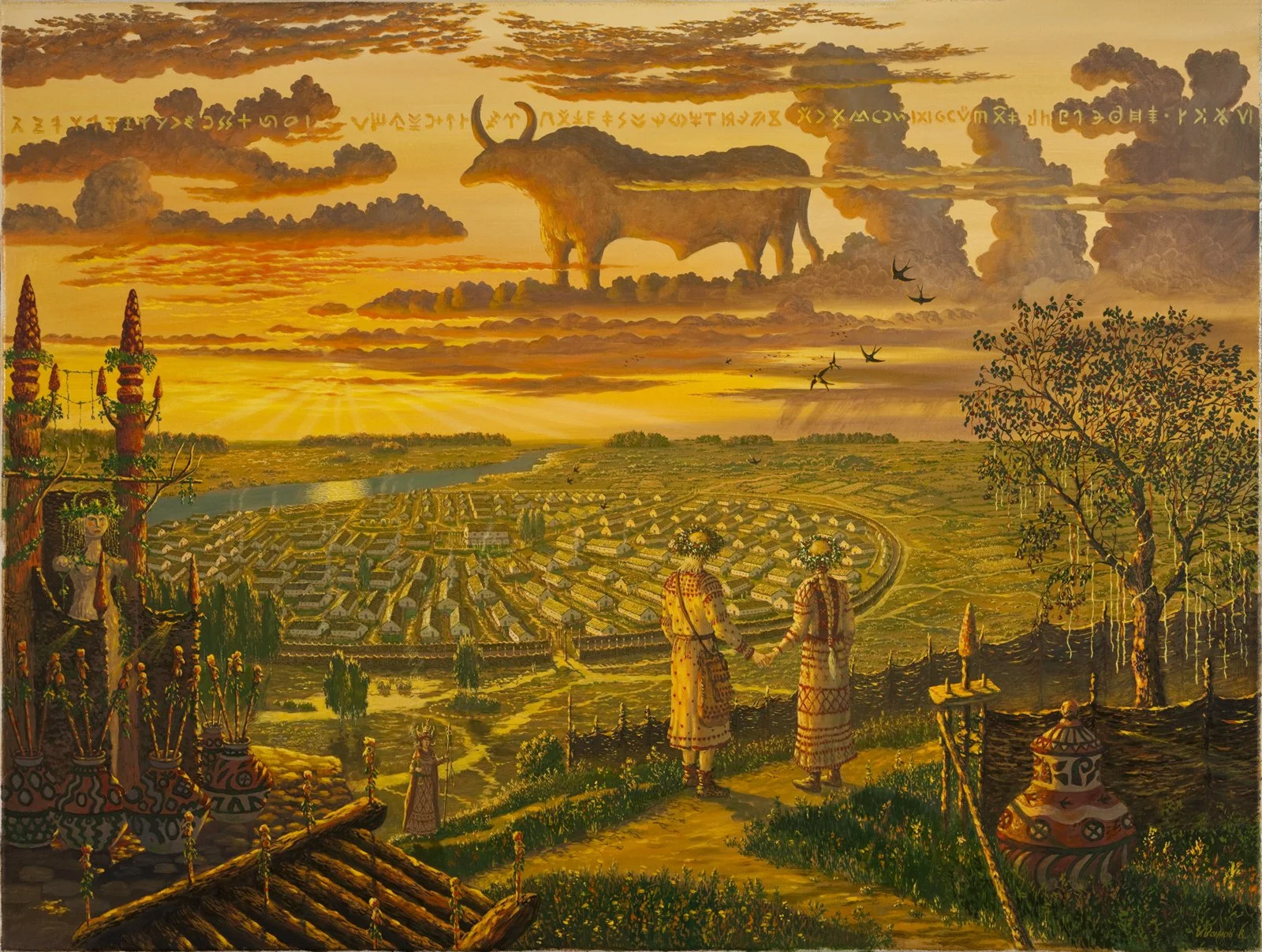
“But how did these households come together in such numbers to form the great concentric arrangements which give the Ukrainian mega-sites their distinctive plan? […] To understand how the citizens put this mental image into effect, translating it into a workable social reality at such enormous scales, we cannot rely on archaeology alone. Fortunately, the…
By Gifts One Makes Slaves and by Whips One Makes Dogs
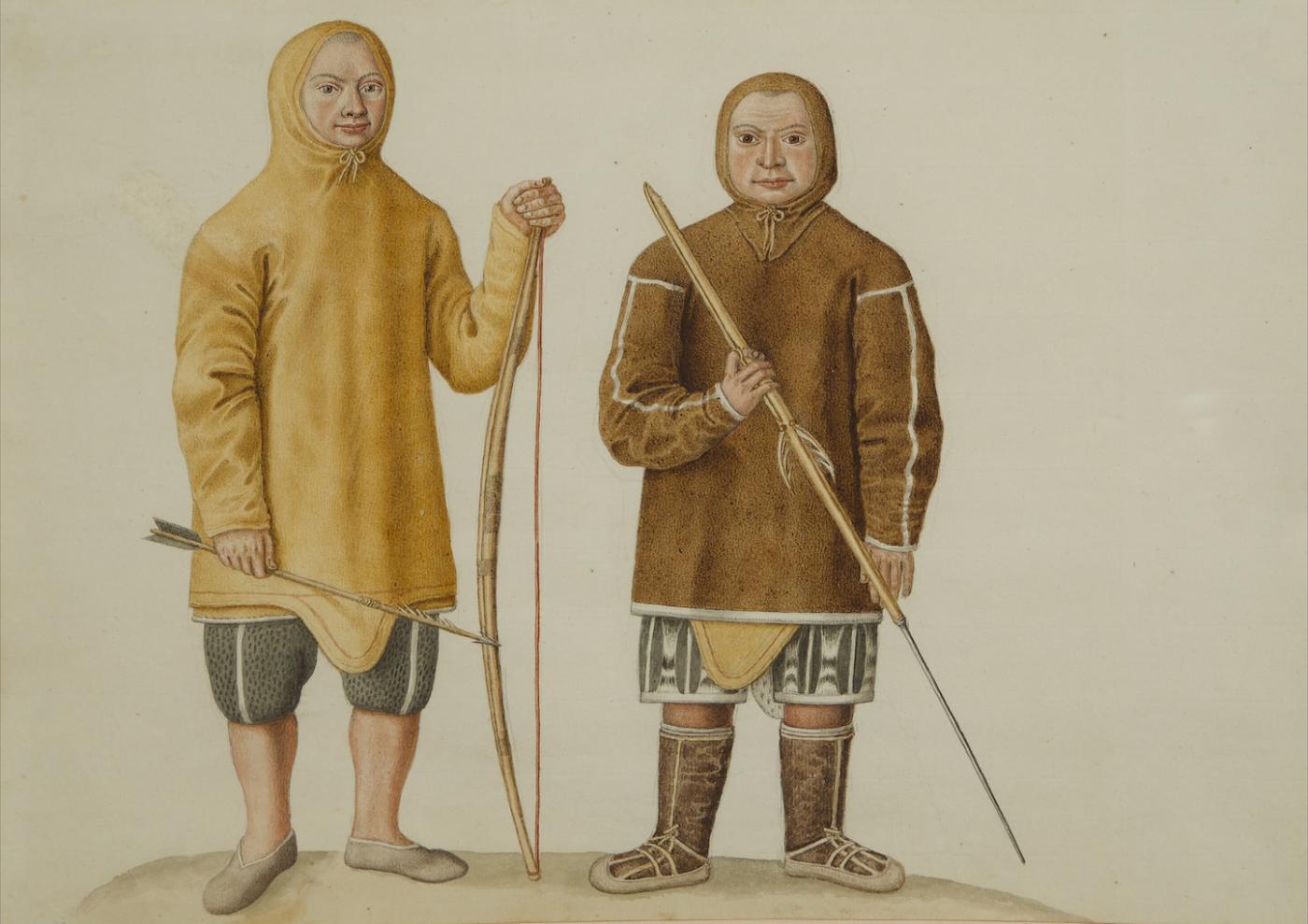
“The best response to anyone who wants to take seriously Nietzsche’s fantasies about savage hunters chopping pieces off each other’s bodies for failure to remit are the words of an actual hunter-gatherer-an Inuit from Greenland made famous in the Danish writer Peter Freuchen’s Book of the Eskimo. Freuchen tells how one day, after coming home…
Precarity is a State of Acknowledgment of Our Vulnerability to Others
“The problem of precarious survival helps us see what is wrong. Precarity is a state of acknowledgment of our vulnerability to others. In order to survive, we need help, and help is always the service of another, with or without intent. When I sprain my ankle, a stout stick may help me walk, and I…
The Shape of Our Motions Over Time: Fungal Indeterminacy, Potential Immortality, Prehension, and Concrescence
“Fungi are famous for changing shape in relation to their encounters and environments. Many are “potentially immortal,” meaning they die from disease, injury, or lack of resources, but not from old age. Even this little fact can alert us to how much our thoughts about knowledge and existence just assume determinate life form and old…
Tyranny and Centralized vs. Decentralized Power
“It was Montesquieu’s analysis that occasioned the great debate between the Federalists and the Anti-Federalists in the United States in 1787 and 1788. As everyone understood at the time, the fledgling polity was far too large to qualify as a small republic. Federalism was the remedy suggested by Montesquieu. A loose confederation of republics could…
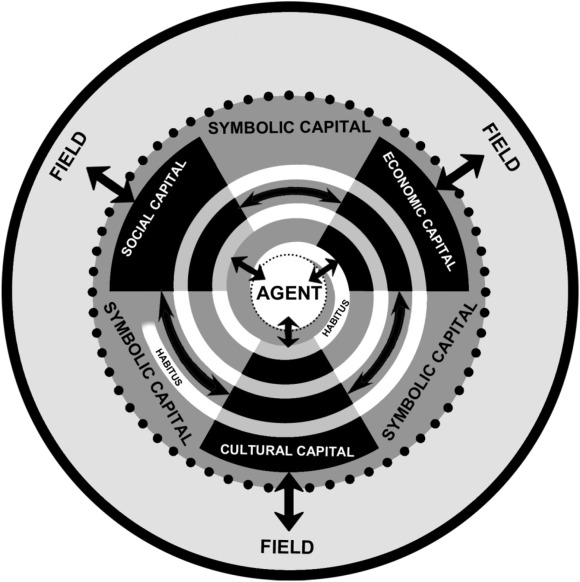
Symbolic Capital and Symbolic Violence: Imposing The Spectre of Legitimacy of The Social Order
“Bourdieu extended the notion of capital, defined as sums of money or assets put to productive use. For Bourdieu, these assets could take many forms which had not received much attention when he began writing. Bourdieu habitually refers to several principal forms of capital: economic, symbolic, cultural and social. Loic Waquant describes their status in…