Diary

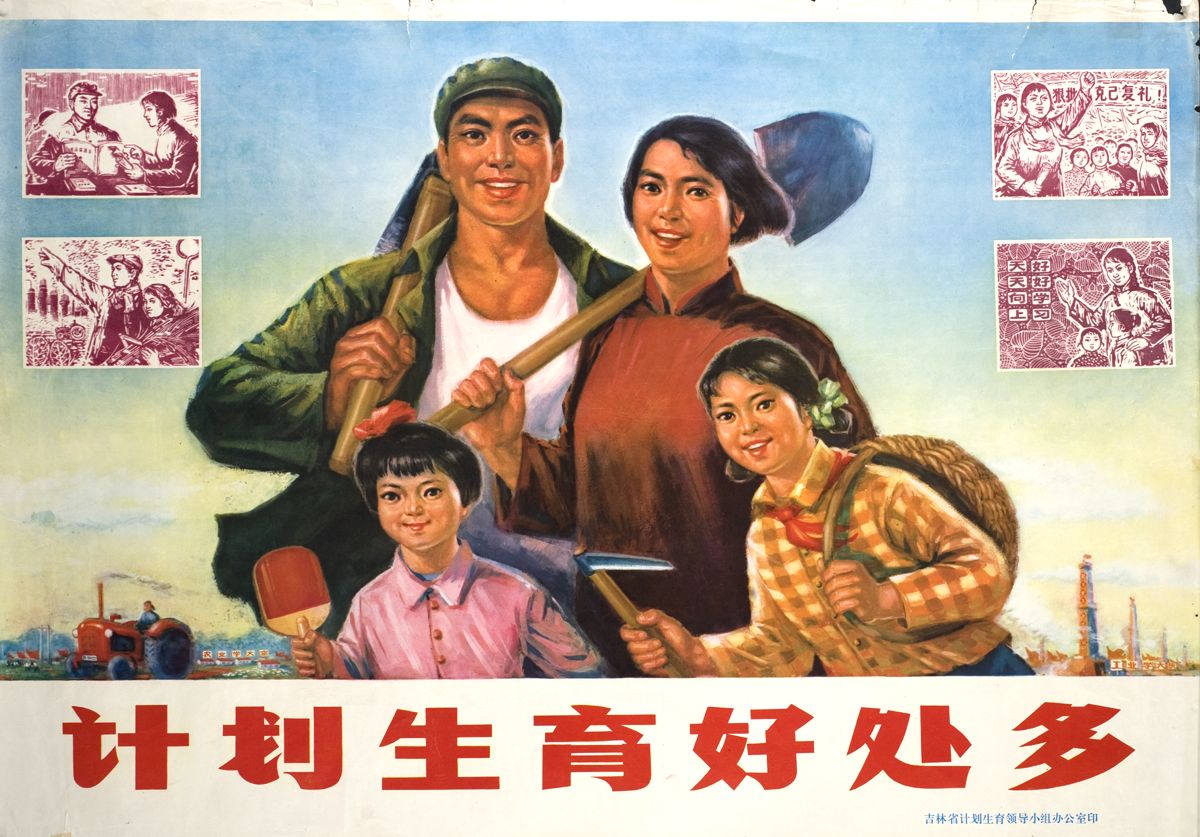
Learning One’s Roles Well Is Like Learning One’s Native Language Well: Confucian Role Ethics

“Role interactions are mutually reinforcing when performed appropriately. The ideal Confucian society is basically family and communally oriented, with customs, traditions and rituals serving as the binding force of and between our many relationships and the responsibilities attendant on them. To understand this point fully we must construe the term li, translated as “ritual propriety,”…

Read More

The Dialectical Interaction of an Ensemble of Social and Natural Processes

“The ideology of modern capitalism is an expression of the deficient mental structure’s repression of the time element, of creative becoming. Instead of recognizing the importance of the dialectic of history and the ongoing and entangled processes of natural and social transformation, capitalist economic theory insists that the present arrangement represents the “end of history”…

Read More

Symbolic Capital and Symbolic Violence: Imposing The Spectre of Legitimacy of The Social Order

“Bourdieu extended the notion of capital, defined as sums of money or assets put to productive use. For Bourdieu, these assets could take many forms which had not received much attention when he began writing. Bourdieu habitually refers to several principal forms of capital: economic, symbolic, cultural and social. Loic Waquant describes their status in…

Read More

Esotericism: The Province of Highly Educated, Affluent and Powerful Intellectuals?

“Despite the proliferation of interest in the subjects of secrecy and esotericism throughout popular culture, media and entertainment, these phenomena have only recently begun to be treated seriously by historians of religions. In this essay, I suggest a new way of looking at esotericism by engaging in a comparative, cross-cultural analysis, and by looking in…

Read More

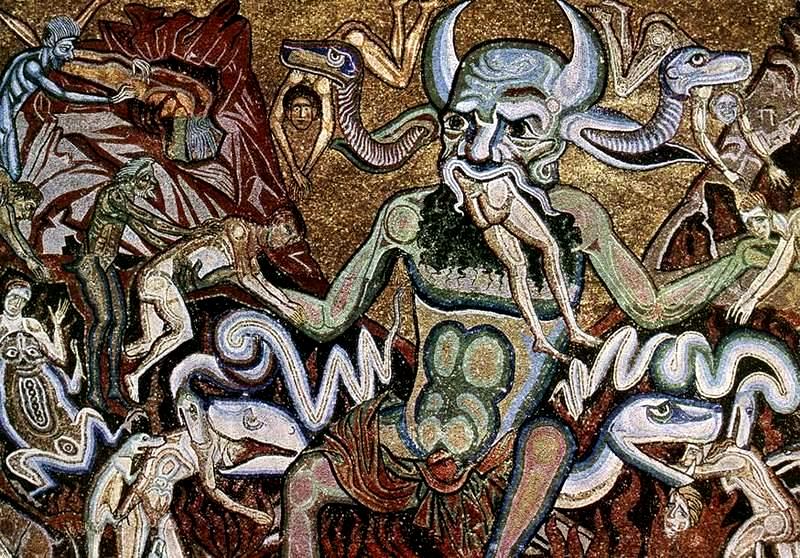
There Cannot Be a Person Without a Body: Greek and Hebraic Tensions Over Body and Soul

“Part of the problem is the dualistic way that we have conceptualized human beings through most of Christian history. Simply, this holds that human beings are made up of two (dichotomy) or three (trichotomy) distinct parts, one physical (body) and one spiritual (soul, spirit, mind). In either di- or tri- models, death is the breaking…

Read More