Posts Tagged

deleuze

We Are Contemplations: Deleuze and Chavrusa-Style Learning
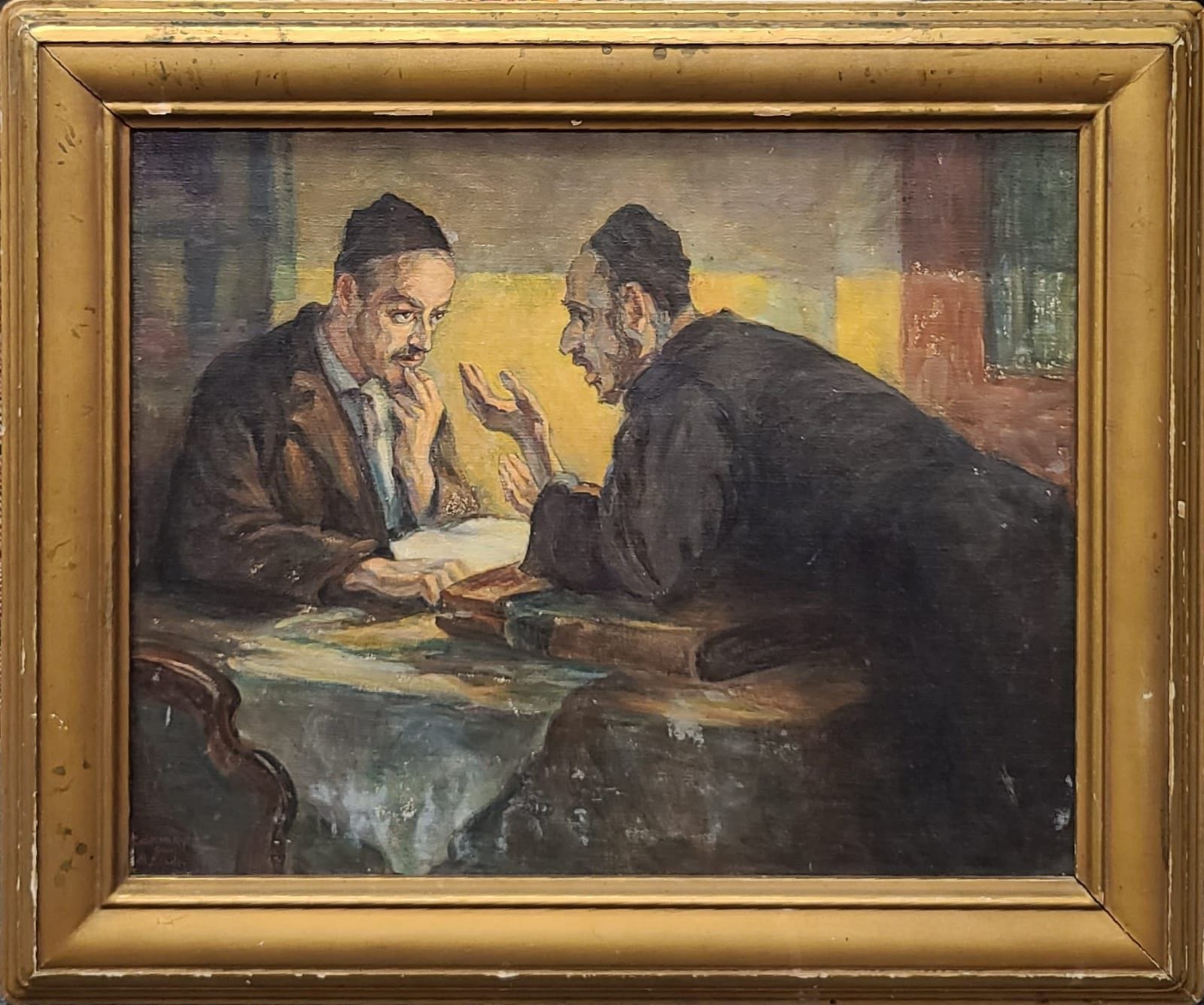
“When we say that habit is a contraction we are speaking not of instantaneous action which combines with another to form an element of repetition, but rather of the fusion of that repetition in the contemplating mind.  A soul must be attributed to the heart, to the muscles, nerves and cells, but a contemplative soul…

Read More

Colorless Green Ideas Sleep Furiously: Difference, Repetition, Implicit Cognition, and Gibberish

“Such a situation may be better understood if we consider that concepts with indefinite comprehension are concepts of Nature. As such, they are always in something else: they are not in Nature but in the mind which contemplates it or observes it, and represents it to itself. That is why it is said that Nature…

Read More

Laïcité, The French and Radicalization

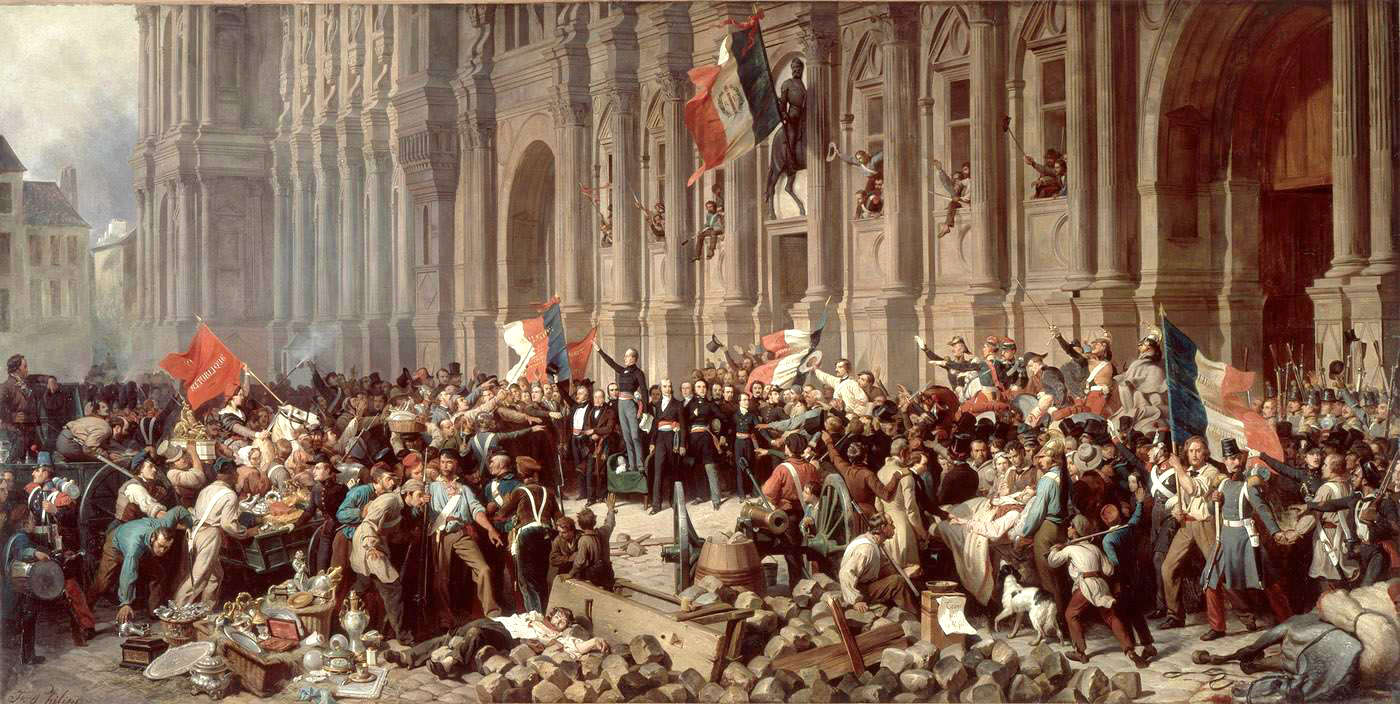
“During the French Revolution, France developed a much more aggressive approach to church/state separation than other European countries. Instead of merely keeping religion out of state affairs, French secularism condemned religion’s influence on political culture in general as pernicious. Formal separation of church and state isn’t enough; you need to exclude religion from national identity…

Read More

Trans-unification – Toward Multiplicity

“When the “One” becomes invisible again, this is really not about the loss of monism, but of dualism. The disappearance of dualism is really a condition for the liberation of multitude. Gilles Deleuze has the formula that as soon as dualism vanishes “monism is pluralism.” The same strategy, I think, appears in Loomer’s theopoetic language…

Read More

If there is only one, true God, all other manifestations of the Divine must be either violently transformed into nothingness or demonized as temptations of evil.

“This is what Deleuze saw in Whitehead: that, in a creative world, “unification” is always “multiplication”—the creation of folds of difference. Any attempt to freeze this movement produces imperialism, that is, the “will to power” to conquer manifoldness. But the imperial desire for a “perfect” world “under control” only earns a dead world. It was…

Read More

Nothing Outside of Experience

There is therefore no stable and essential distinction, for Whitehead, between mind and matter, or between subject and object. There is also no stable and essential distinction between human and non-human, or even between living and non-living. It’s not that such distinctions are unimportant; often they are of the greatest pragmatic importance. I should not…

Read More

What is an event?

“What is an event?” is, of course, a quintessentially Deleuzian question. And Whitehead marks an important turning-point in the history of philosophy because he affirms that, in fact, everything is an event. The world, he says, is made of events, and nothing but events: happenings rather than things, verbs rather than nouns, processes rather than…

Read More