Posts Tagged

art

So what is your poem about?

In “The Well Wrought Urn” — that well-known and well-wrought book of literary criticism — Cleanth Brooks described what he called “the heresy of paraphrase.” The main idea — that efforts at paraphrasing poetry into prose fail in ways that parallel attempts for prose do not — was not new. It has been generally agreed…

Read More

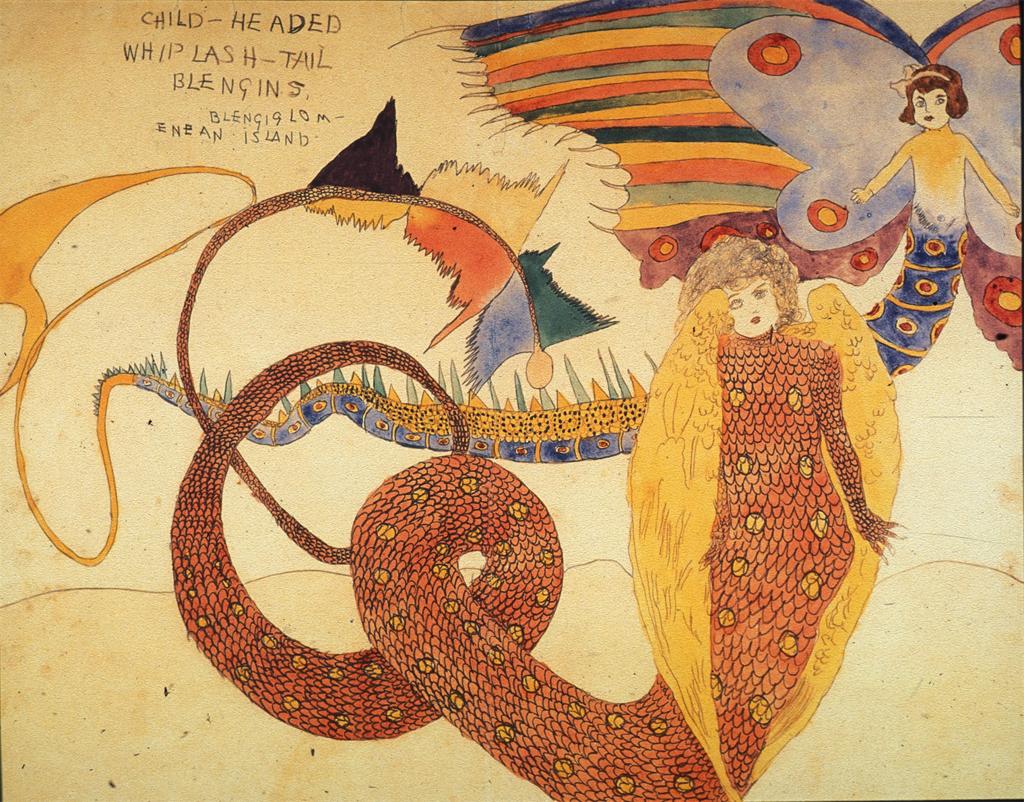
Henry Darger and The Fine Line Between Insanity and Brilliance

Last Wednesday night our movie group watched the documentary film In The Realm of The Unreal, directed by Jessica Yu. In brief, the film documents the incredible story of Henry Darger (1892-1973), a visionary artist, janitor, and novelist. Darger’s story takes place in the Chicago area and tracks his life beginning with his turbulent childhood….

Read More

Robert Henri on Good Composition

Good composition is like a suspension bridge; each line adds strength and takes none away…Making lines run into each other is not composition. There must be motive for the connection. Get the art of controlling the observer – that is composition. Quote and painting above from Robert Henri, prominent founder of the Ashcan School in…

Read More

When Is A Masterpiece Really A Masterpiece?

“What makes a work of art unique isn’t its color or composition or subject, it has nothing whatsoever to do with what we see. Why are some paintings masterpieces while others, perhaps even more competent, are forgotten? Why are some symphonies still beloved hundreds of years after the composer has died?” Gamache thought about it….

Read More

What does a good artist do?

Good artists are people who can stick things together so that they stay stuck. They know how to gather things into formal arrangements that are intelligible, memorable, and lasting. Good forms confer health upon the things that they gather together. Farms, families, and communities are forms of art just as are poems, paintings, and symphonies….

Read More

Walter Benjamin’s Romantic Criticism

[Walter Benjamin’s]…idea is that criticism does not stand outside the work of art, but stands alongside, maybe even inside, the work of art, participating in the work in order to further express and tease out what the artist already put there. In this theory of criticism, we don’t need the critic to tell us what…

Read More

Museums as Monuments to Imperialsism

Most European museums are, among other things, memorials of the rise of nationalism and imperialism. Every capital must have its own museum of painting, sculpture, etc., devoted in part to exhibiting the greatness of its artistic past, and, in other part, to exhibiting the loot gathered by its monarchs in conquest of other nations; for…

Read More